Why You Must Start Learning Networking with the OSI 7-Layer Model
Let’s start with the conclusion (this matters)
The OSI 7-Layer Model is not something to memorize.
It is something that saves you during real incidents.
If you treat it only as exam material,
you will never understand its real value.
1. Why is network troubleshooting so difficult?
This is the most common breakdown scenario for beginners:
- Ping fails
- Web pages do not load
- Systems cannot connect
Then what happens next? - You doubt the IP address
- You doubt the device
- You doubt yourself
📌 The real problem is not that you don’t know the commands.
📌 The real problem is: you don’t know where to start.
2. What problem does the OSI 7-Layer Model actually solve?
In one sentence:
It turns a complex problem
into a sequence of ordered steps.
3. Mapping the OSI Layers to the Real World
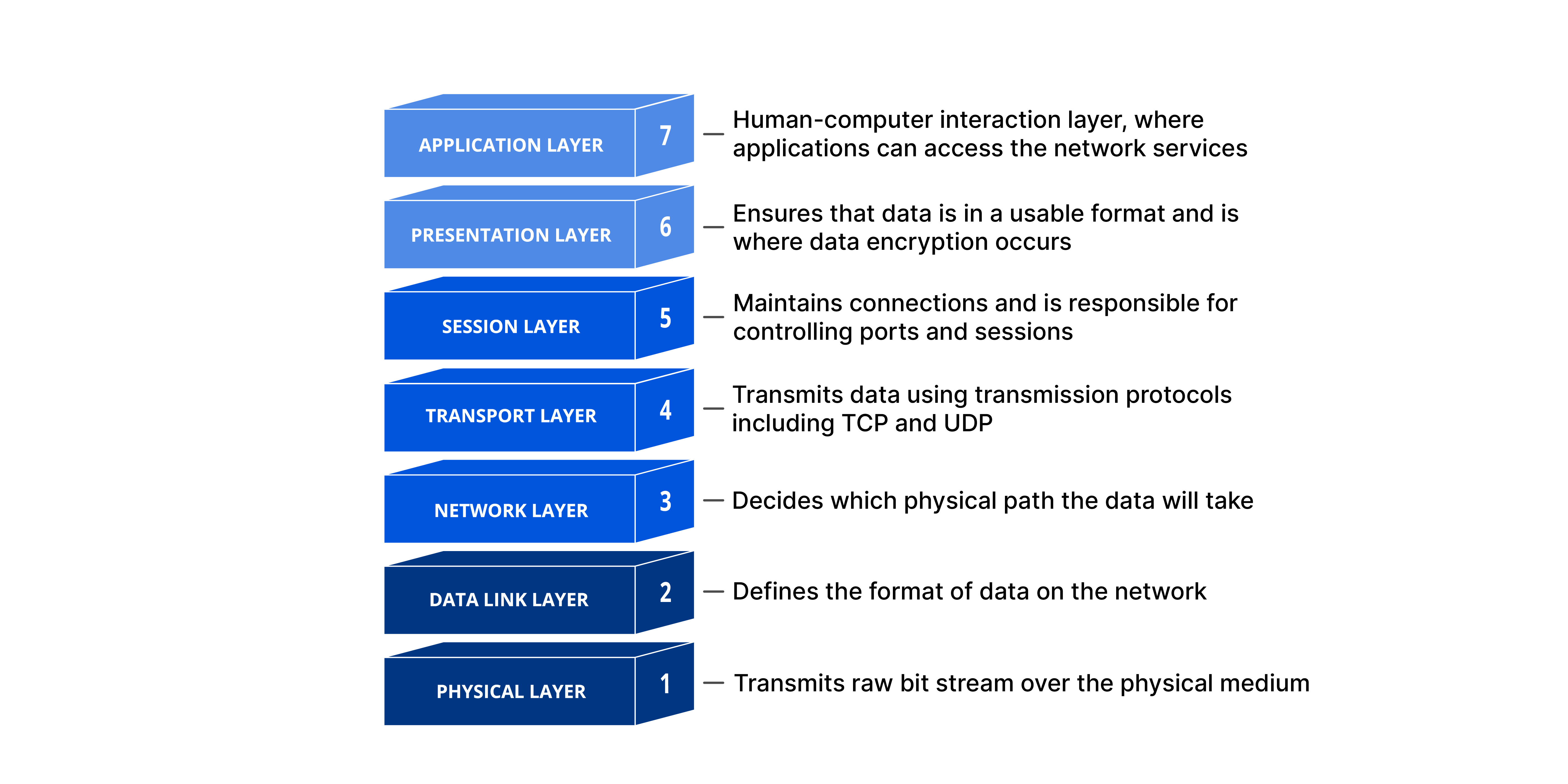
Here’s a simple way to build intuition:
Layer – How to Think About It
Layer 7 – ApplicationIs the application or service running correctly?
Layer 6 – PresentationIs the data format correct?
Layer 5 – SessionIs the session established properly?
Layer 4 – TransportAre TCP / UDP working as expected?
Layer 3 – NetworkAre IP addressing and routing correct?
Layer 2 – Data LinkAre VLAN and MAC forwarding correct?
Layer 1 – PhysicalIs the cable connected? Is the link light on?
📌 This model is not meant to be memorized.
It is meant to be used.
4. A Real-World Troubleshooting Scenario
A user reports:
“I cannot access the server.”
Without the OSI Model, people often:
- Ping randomly
- Change configurations blindly
- Reboot devices repeatedly
With the OSI Model, the approach becomes systematic:
Is the cable connected? Is the interface up?
Is the VLAN correct? Is the MAC address learned?
Is the IP address correct? Is routing working?
Is the service port reachable? Is the TCP connection established?
Is the application or service running?
📌 The problem instantly becomes:
“At which layer is it failing?”
5. Why Do Senior Engineers Troubleshoot So Fast?
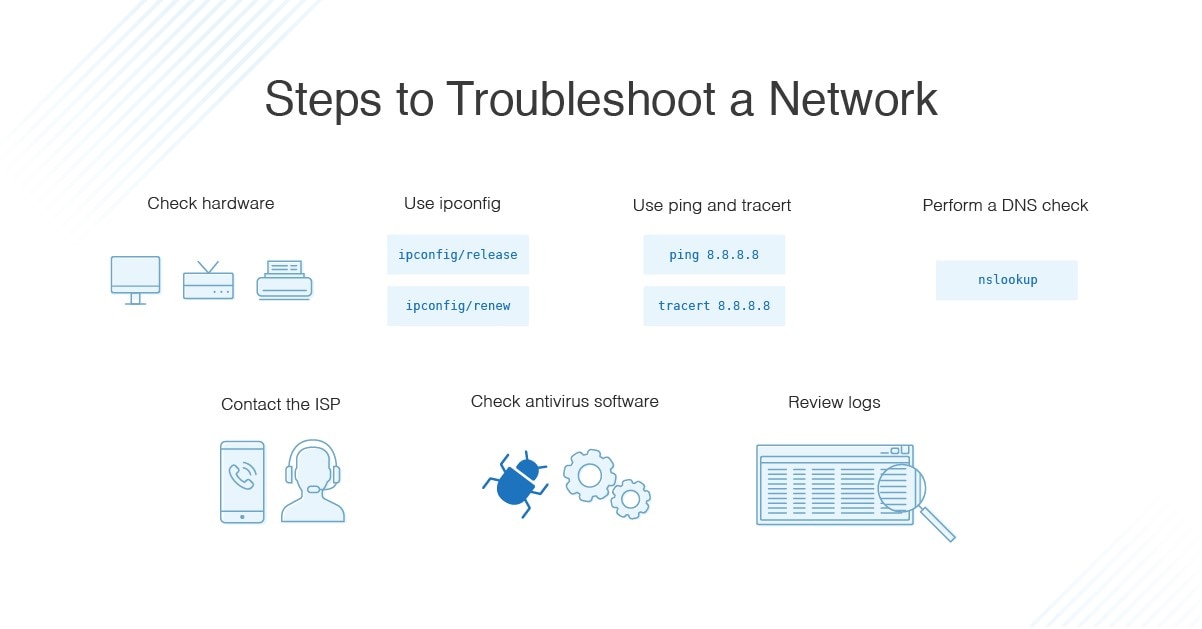
Not because they type faster,
but because their brains automatically run the OSI model.
- Ping fails → start with Layer 1–3
- Ping works but web access fails → likely Layer 4–7
- Same VLAN works, different VLAN fails → Layer 2 or Layer 3
📌 This is what experience really looks like.
6. The OSI Model Is a Network Engineer’s Map
Think of the network as a city:
- OSI layers = the map
- Protocols = traffic rules
- Devices = intersections
📌 Without a map, you wander randomly.
📌 With a map, you know exactly where to go.
7. Will the OSI Model Still Matter in Advanced Networking?
Absolutely — and it becomes even more important:
- VLAN → Layer 2
- Routing → Layer 3
- Firewall → Layer 3 / Layer 4
- Load Balancer → Layer 4 / Layer 7
- Cloud Networking / Data Centers → All layers
📌 The OSI Model is the coordinate system of all networking technologies.
8. One-Sentence Takeaway
The OSI 7-Layer Model is not exam knowledge.
It is the thinking framework of a Network Engineer.
📌 Next Article
👉 TCP/IP four-layer model: This is the only model used in enterprise networks.