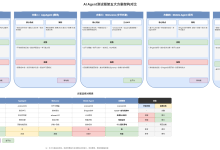
K8s IPVS 转发模式优化:就绪探针与容器跨集群节点负载分配路径

前言
"老王,我们线上服务又出现流量不均衡了!" 凌晨三点的告警电话把我从梦中惊醒。
"别急,先看看 IPVS 的权重分布。" 我打开笔记本电脑,远程连接到 K8s 集群。
"权重都是 100 啊,但节点负载差了三倍!" 运维小哥的声音带着疲惫。
"哦,我知道了,看看就绪探针的配置。"
五分钟后,问题定位:就绪探针超时导致 Pod 状态漂移,IPVS 的健康检查与 Kubelet 不同步。
这个凌晨的排查让我意识到:IPVS 负载均衡的优化,不只是调整权重那么简单。今天我们就深入聊聊 IPVS 转发模式与就绪探针的联动机制。
一、 底层原理
1.1 IPVS 负载均衡核心机制
IPVS(IP Virtual Server)是 Linux 内核层的负载均衡器,Kubernetes 使用它来实现 Service 的负载分发。其核心组件包括:
flowchart TB
A[Client Request] –> B[Kube-proxy]
B –> C[IPVS Rules]
C –> D[IPVS Scheduler]
D –> E{Algorithm}
E –>|rr| F[Round Robin]
E –>|lc| G[Least Connection]
E –>|wlc| H[Weighted LC]
E –>|sh| I[Source Hash]
F –> J[Backend Pods]
G –> J
H –> J
I –> J
J –> K[Real Server]
1.2 就绪探针与 IPVS 健康检查联动
Kubernetes 的就绪探针(Readiness Probe)决定 Pod 是否接收流量。IPVS 的健康检查机制与 Kubelet 的探针状态需要保持同步:
| Kubelet | 执行就绪探针 | 通过/失败 | 单 Pod 级别 |
| Kube-proxy | 同步 Endpoints | Ready/NotReady | Service 级别 |
| IPVS | 负载分发 | 权重调整 | 节点级别 |
1.3 动态权重调整策略
IPVS 支持基于 Pod 状态动态调整权重:
sequenceDiagram
participant Kubelet as Kubelet
participant Endpoint as Endpoints Controller
participant KubeProxy as Kube-proxy
participant IPVS as IPVS Kernel
Kubelet->>Endpoint: Pod Ready/NotReady
Endpoint->>KubeProxy: Endpoints Updated
KubeProxy->>IPVS: ipvsadm -w <weight>
Note over IPVS: 权重=0 时停止转发
IPVS–>>KubeProxy: Weight Applied
二、 快速上手
2.1 检查 IPVS 模式状态
# 检查 kube-proxy 模式
kubectl get configmap kube-proxy -n kube-system -o yaml | grep mode
# 查看 IPVS 规则
ipvsadm -Ln
# 查看后端服务器权重
ipvsadm -Ln –stats
2.2 配置就绪探针
apiVersion: v1
kind: Pod
metadata:
name: nginx-probe
spec:
containers:
– name: nginx
image: nginx:1.21
ports:
– containerPort: 80
readinessProbe:
httpGet:
path: /healthz
port: 80
initialDelaySeconds: 10
periodSeconds: 5
timeoutSeconds: 3
successThreshold: 2
failureThreshold: 3
2.3 配置 TopologySpreadConstraints
apiVersion: apps/v1
kind: Deployment
metadata:
name: web-app
spec:
replicas: 6
selector:
matchLabels:
app: web
template:
metadata:
labels:
app: web
spec:
topologySpreadConstraints:
– maxSkew: 1
topologyKey: kubernetes.io/hostname
whenUnsatisfiable: DoNotSchedule
labelSelector:
matchLabels:
app: web
containers:
– name: web
image: nginx:1.21
ports:
– containerPort: 80
三、 核心 API 与深水区
3.1 IPVS Service 配置 API
type IPVSService struct {
ClusterIP net.IP
Port int
Protocol string
Scheduler string
Persistence *PersistenceConfig
BackendWeight map[string]int
}
func (s *IPVSService) UpdateBackendWeight(podName string, weight int) error {
cmd := exec.Command("ipvsadm", "-e",
fmt.Sprintf("-t %s:%d", s.ClusterIP, s.Port),
"-r", podName,
"-w", strconv.Itoa(weight))
return cmd.Run()
}
3.2 自定义权重计算逻辑
type WeightCalculator struct {
NodeCapacity map[string]int64
CurrentLoad map[string]int64
ProbeSuccess map[string]bool
}
func (wc *WeightCalculator) Calculate(podName string) int {
node := getNodeFromPod(podName)
if !wc.ProbeSuccess[podName] {
return 0
}
capacity := wc.NodeCapacity[node]
load := wc.CurrentLoad[node]
usage := float64(load) / float64(capacity)
baseWeight := 100
if usage > 0.8 {
baseWeight = int(float64(baseWeight) * (1 – (usage – 0.8) * 2))
}
return max(baseWeight, 10)
}
3.3 TopologySpreadConstraints 解析器
func ParseTopologySpreadConstraints(pod *v1.Pod) []TopologyConstraint {
var constraints []TopologyConstraint
for _, tc := range pod.Spec.TopologySpreadConstraints {
constraints = append(constraints, TopologyConstraint{
TopologyKey: tc.TopologyKey,
MaxSkew: tc.MaxSkew,
WhenUnsatisfiable: tc.WhenUnsatisfiable,
LabelSelector: tc.LabelSelector,
})
}
return constraints
}
四、 实战演练
4.1 场景:跨节点负载均衡优化
问题描述:3 节点集群,6 个 Pod,出现节点负载不均衡。
步骤 1:部署测试应用
kubectl apply -f deployment.yaml
步骤 2:观察初始分布
kubectl get pods -o wide
# 查看节点分布
kubectl get nodes -o jsonpath='{range .items[*]}{.metadata.name}{"\\t"}{.status.allocatable.cpu}{"\\n"}{end}'
步骤 3:配置 TopologySpreadConstraints
apiVersion: apps/v1
kind: Deployment
metadata:
name: balanced-app
spec:
replicas: 6
template:
spec:
topologySpreadConstraints:
– maxSkew: 1
topologyKey: kubernetes.io/hostname
whenUnsatisfiable: ScheduleAnyway
labelSelector:
matchLabels:
app: balanced-app
步骤 4:验证效果
# 等待调度完成
sleep 60
# 检查 Pod 分布
kubectl get pods -o wide | awk '{print $7}' | sort | uniq -c
五、 避坑指南
5.1 就绪探针配置不当导致流量黑洞
现象:Pod 已 Ready 但 IPVS 权重仍为 0
原因:Kube-proxy 同步延迟或 Endpoints 状态不同步
解决方案:
readinessProbe:
periodSeconds: 5
timeoutSeconds: 3
failureThreshold: 3
5.2 TopologySpreadConstraints 导致调度失败
现象:Pod 处于 Pending 状态,事件显示无法满足 topology spread 约束
原因:maxSkew 设置过严,节点资源不足
解决方案:
topologySpreadConstraints:
– maxSkew: 2 # 放宽约束
whenUnsatisfiable: ScheduleAnyway # 允许调度
5.3 IPVS 调度算法选择不当
现象:流量分布不均匀,部分 Pod 负载过高
原因:使用了不适合场景的调度算法
推荐配置:
- rr:简单轮询,适合同构集群
- wlc:加权最小连接,适合异构集群
- sh:源 IP 哈希,适合会话保持
5.4 节点级负载感知缺失
现象:节点间负载差异大,但 Pod 分布均匀
原因:TopologySpreadConstraints 只考虑 Pod 数量,不考虑实际负载
解决方案:结合 Vertical Pod Autoscaler 和自定义调度器
总结
IPVS 负载均衡的优化是一个系统性工程,涉及: