前端 Agent 编排中的错误恢复与上下文回退机制

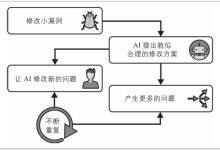
在把大模型 Agent 深度集成到前端工作流时,最让人头疼的问题之一就是“单点错误导致整个会话崩塌”:Agent 在执行一个包含 5 个步骤的复杂任务时,前 3 个步骤非常成功,但在第 4 步调用某个工具时因为网络超时或参数格式微调失败了。很多初级 Agent 框架由于缺乏回滚能力,直接把整个对话上下文判为 Failed,导致之前积累的所有推理成果全部作废,用户只能无奈地清空聊天记录从头再来。
在前端现代状态管理(如 Redux Time Travel、Git 回滚)中,状态快照与历史回溯是非常成熟的模式。
将**上下文快照树(Context Snapshot Tree)与局部错误自愈重试机制(Self-Healing & Backtracking)**引入前端 Agent 编排,能够让 Agent 在遇到局部工具异常时,像事务回滚一样精准回退到上一个健康状态并尝试替代路径,大幅提升任务完成率。
上下文快照树与回溯状态机
在执行链式 Agent 任务时,不能把对话历史简单当作一个追加写(Append-only)的扁平数组,而应该将其组织为一棵带分支与版本号的状态机快照树:
[节点 0: 初始用户需求] (Snapshot-0)
│
▼
[节点 1: Agent 规划子任务 A 成功] (Snapshot-1)
│
▼
[节点 2: Agent 执行工具调用 B 成功] (Snapshot-2)
│
├─ [尝试路径 1: 调用查询 API 失败] ──(捕获异常, 触发回滚至 Snapshot-2)
│ │
▼ ▼
[回滚恢复 Snapshot-2] ───> [尝试路径 2: 调用备用缓存接口或调整 Prompt 重试]
│
▼
[节点 3: 恢复正常并继续完成最终输出]
核心实现:基于不可变快照的 Agent 回溯执行器
export interface SnapshotNode {
id: string;
stepIndex: number;
messages: Array<{ role: string; content: string; tool_call_id?: string }>;
variables: Record<string, any>;
parentId: string | null;
}
export class ResilientAgentContext {
private snapshots = new Map<string, SnapshotNode>();
private currentSnapshotId: string;
constructor(initialPrompt: string) {
const rootNode: SnapshotNode = {
id: crypto.randomUUID(),
stepIndex: 0,
messages: [{ role: 'user', content: initialPrompt }],
variables: {},
parentId: null,
};
this.snapshots.set(rootNode.id, rootNode);
this.currentSnapshotId = rootNode.id;
}
// 每一个成功的 Agent 步骤执行后创建新的不可变快照
public checkpoint(newMessages: Array<{ role: string; content: string }>, variables: Record<string, any> = {}): string {
const current = this.snapshots.get(this.currentSnapshotId)!;
const nextNode: SnapshotNode = {
id: crypto.randomUUID(),
stepIndex: current.stepIndex + 1,
messages: […current.messages, …newMessages],
variables: { …current.variables, …variables },
parentId: current.id,
};
this.snapshots.set(nextNode.id, nextNode);
this.currentSnapshotId = nextNode.id;
return nextNode.id;
}
// 发生异常时回退到指定快照点(默认回退到父节点)
public rollback(targetSnapshotId?: string): SnapshotNode {
const targetId = targetSnapshotId || this.snapshots.get(this.currentSnapshotId)?.parentId;
if (!targetId || !this.snapshots.has(targetId)) {
throw new Error('No valid snapshot found to rollback.');
}
this.currentSnapshotId = targetId;
return this.snapshots.get(targetId)!;
}
public getCurrentSnapshot(): SnapshotNode {
return this.snapshots.get(this.currentSnapshotId)!;
}
}
错误分类自愈与重试调度策略
当 Agent 捕获到工具调用或 LLM 推理异常时,按照以下决策矩阵进行自愈调度:
export async function executeStepWithSelfHealing(
ctx: ResilientAgentContext,
toolExecutor: (name: string, args: any) => Promise<any>,
stepAction: { toolName: string; args: any },
maxRetry: number = 2
): Promise<any> {
const rollbackPoint = ctx.getCurrentSnapshot().id;
let attempt = 0;
while (attempt < maxRetry) {
attempt++;
try {
// 执行具体工具调用
const result = await toolExecutor(stepAction.toolName, stepAction.args);
// 成功:固化快照并返回
ctx.checkpoint([
{ role: 'assistant', content: `Calling ${stepAction.toolName}` },
{ role: 'tool', content: JSON.stringify(result) },
]);
return result;
} catch (err: any) {
console.warn(`[Agent Step Failed] Attempt ${attempt}/${maxRetry} for ${stepAction.toolName}:`, err.message);
// 核心机制:回滚上下文,清除本次调用产生的脏状态
ctx.rollback(rollbackPoint);
if (attempt >= maxRetry) {
// 重试耗尽:向模型注入“自我纠错”提示词,让模型自主调整策略
ctx.checkpoint([
{
role: 'system',
content: `Tool ${stepAction.toolName} failed with error: "${err.message}". Please analyze the failure, adjust your parameters or choose an alternative tool.`,
},
]);
throw err;
}
// 指数退避等待后再次重试
await new Promise((r) => setTimeout(r, 1000 * Math.pow(2, attempt)));
}
}
}
前端工程与用户体验收益
像管理 Git 分支一样管理 Agent 的会话上下文,是构建具备生产级鲁棒性 AI 应用的关键一步。