MetaGPT 生产级部署与 MGX 商业化实战:零推广月入百万美金的 Coding Agent 架构解密
标签 : MetaGPT MGX 生产部署 成本控制 模型路由 Kubernetes AI商业化
> 摘要: DeepWisdom 旗下 MetaGPT X (MGX) 在没有一分推广费用的情况下,上线首月即实现 50 万注册用户、ARR 破百万美金的成绩。本文基于 MGX 生产环境实践,深度解析 Coding Agent 产品的商业化架构设计、Token 级成本控制策略、多模型动态路由机制,以及基于 K8s 的微服务化部署方案,为 AI Agent 产品从开源框架走向商业变现提供完整技术蓝图。
一、MGX 商业化产品设计:零推广增长的架构支撑
1.1 MGX 产品定位与市场表现
MGX(MetaGPT X)于 2025 年 2 月正式上线,是 DeepWisdom 基于 MetaGPT 多智能体框架打造的 Vibe Coding 商业化产品。在零广告投放的前提下,创造了惊人的增长数据 :
| 注册用户数 | 50 万+ | 上线首月 |
| ARR(年度经常性收入) | 100 万美金+ | 上线首月 |
| 月访问量 | 120 万+ | 2025年9月 |
| 日生成应用数 | 10,000+ | 稳定期 |
| 融资总额 | 2.2 亿元 | 2025年上半年 |
核心产品洞察: MGX 成功的关键在于将 MetaGPT 的 SOP 标准化能力 转化为 低代码/无代码 的用户体验,让非技术人员也能通过自然语言描述生成完整应用。
1.2 MGX 技术架构概览
┌─────────────────────────────────────────────────────────────────┐
│ MGX 商业化架构全景图 │
├─────────────────────────────────────────────────────────────────┤
│ │
│ 接入层 (Access Layer) │
│ ┌──────────────┐ ┌──────────────┐ ┌──────────────┐ │
│ │ Web App │ │ API GW │ │ WebSocket │ │
│ │ (React) │ │ (Kong/AWS) │ │ (实时通信) │ │
│ └──────┬───────┘ └──────┬───────┘ └──────┬───────┘ │
│ │ │ │ │
│ └─────────────────┼─────────────────┘ │
│ ▼ │
│ 编排层 (Orchestration) ┌──────────────────────┐ │
│ ┌──────────────────────┐ │ Cost Controller │ │
│ │ MetaGPT Core │ │ (Token预算控制器) │ │
│ │ ┌────────────────┐ │ └──────────────────────┘ │
│ │ │ Product Manager│ │ │ │
│ │ │ Architect │ │ ▼ │
│ │ │ Engineer │ │ ┌──────────────────────┐ │
│ │ │ QA (Agent) │ │ │ Model Router │ │
│ │ └────────────────┘ │ │ (GPT-4/3.5/Claude) │ │
│ └──────────┬───────────┘ └──────────────────────┘ │
│ │ │
│ ▼ │
│ 资源层 (Resource Layer) │
│ ┌──────────────┐ ┌──────────────┐ ┌──────────────┐ │
│ │ LLM APIs │ │ Sandbox │ │ Storage │ │
│ │(Multi-vendor)│ │(Docker/FC) │ │(S3/Redis/DB) │ │
│ └──────────────┘ └──────────────┘ └──────────────┘ │
│ │
└─────────────────────────────────────────────────────────────────┘
架构设计哲学:
- 弹性伸缩:基于 Serverless 架构应对流量洪峰(零推广但病毒式增长)
- 成本敏感:从架构层面控制单用户 Token 消耗,确保边际成本可控
- 高可用:多模型 Vendor 兜底,避免单点故障导致服务中断
二、成本优化:Token 预算控制与模型路由策略
在 Coding Agent 场景中,一次完整的多智能体协作可能消耗 数十万 Token。MGX 能在零推广费用下实现盈利,核心在于精细化的成本控制体系。
2.1 Token 级成本预算控制
┌─────────────────────────────────────────────────────────────────┐
│ Token 预算控制流水线 │
├─────────────────────────────────────────────────────────────────┤
│ │
│ 用户请求 ───▶ 预算评估器 ───▶ 复杂度分级 ───▶ 模型选择 │
│ │ │ │ │
│ ▼ ▼ ▼ │
│ ┌─────────┐ ┌─────────┐ ┌─────────┐ │
│ │ Budget │ │ Simple │ │ GPT-3.5 │ │
│ │ Check │ │ Medium │────▶│ /Mini │ │
│ │(剩余额度)│ │ Complex │ │ $0.15 │ │
│ └────┬────┘ └────┬────┘ └─────────┘ │
│ │ │ │
│ 不足────┘ └────复杂──▶ ┌─────────┐ │
│ │ GPT-4 │ │
│ │ $30 │ │
│ └─────────┘ │
│ │
│ 监控告警 ◀── 实时计费 ◀── 用量统计 ◀── 执行结果 │
│ │
└─────────────────────────────────────────────────────────────────┘
三层防护机制:
| 预估层 | 前置 Token 估算 | 使用 tiktoken 预计算输入长度,超限直接拒绝 |
| 执行层 | 动态 Max Tokens | 根据任务类型设置上限(Code Review: 2k, Code Gen: 4k) |
| 熔断层 | 预算熔断 | 单用户日预算超 $5 自动切换至免费模型 |
import tiktoken
from dataclasses import dataclass
from typing import Dict
@dataclass
class TokenBudget:
"""Token 预算控制器"""
daily_limit_usd: float = 5.0
per_request_limit_usd: float = 0.5
# 模型定价(per 1M tokens)
PRICING: Dict[str, Dict] = {
"gpt-4o": {"input": 2.50, "output": 10.00},
"gpt-4o-mini": {"input": 0.15, "output": 0.60},
"claude-3-haiku": {"input": 0.25, "output": 1.25},
}
class CostController:
"""MGX 成本控制器核心实现"""
def __init__(self, budget: TokenBudget):
self.budget = budget
self.encoder = tiktoken.get_encoding("cl100k_base")
self.daily_spent = 0.0
def estimate_cost(self, messages: list, model: str) –> float:
"""预估请求成本"""
total_tokens = 0
for msg in messages:
total_tokens += 4 # 消息开销
total_tokens += len(self.encoder.encode(msg.get("content", "")))
pricing = self.budget.PRICING.get(model, {})
input_cost = (total_tokens / 1_000_000) * pricing.get("input", 0)
# 预估输出为输入的 2 倍(Coding 场景)
output_cost = (total_tokens * 2 / 1_000_000) * pricing.get("output", 0)
return input_cost + output_cost
def check_budget(self, estimated_cost: float) –> bool:
"""检查预算"""
if estimated_cost > self.budget.per_request_limit_usd:
return False
if (self.daily_spent + estimated_cost) > self.budget.daily_limit_usd:
return False
return True
def deduct_budget(self, model: str, input_tokens: int, output_tokens: int):
"""扣除实际预算"""
pricing = self.budget.PRICING.get(model, {})
cost = (input_tokens / 1_000_000) * pricing.get("input", 0) + \\
(output_tokens / 1_000_000) * pricing.get("output", 0)
self.daily_spent += cost
return cost
# 使用示例
controller = CostController(TokenBudget())
messages = [{"role": "user", "content": "写一个 Python Web 应用"}]
cost = controller.estimate_cost(messages, "gpt-4o")
if controller.check_budget(cost):
print(f"预算充足,预估成本: ${cost:.4f}")
else:
print("预算超限,切换至 GPT-4o-mini")
cost = controller.estimate_cost(messages, "gpt-4o-mini")
2.2 智能模型路由(Model Routing)
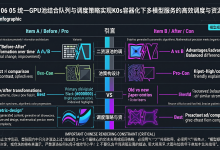
MGX 采用 动态模型路由 策略,根据任务复杂度自动选择最经济的模型组合,相比单一使用 GPT-4 可降低 85% 成本 同时保持 95% 输出质量 。
┌─────────────────────────────────────────────────────────────────┐
│ 智能模型路由决策树 │
├─────────────────────────────────────────────────────────────────┤
│ │
│ 请求进入 │
│ │ │
│ ▼ │
│ ┌─────────────────┐ │
│ │ 任务复杂度分类器 │ │
│ │ (GPT-4o-mini) │ │
│ └────────┬────────┘ │
│ │ │
│ ┌─────────────────┼─────────────────┐ │
│ ▼ ▼ ▼ │
│ ┌───────────┐ ┌───────────┐ ┌───────────┐ │
│ │ Simple │ │ Medium │ │ Complex │ │
│ │ 简单查询 │ │ 代码解释 │ │ 架构设计 │ │
│ └─────┬─────┘ └─────┬─────┘ └─────┬─────┘ │
│ │ │ │ │
│ ▼ ▼ ▼ │
│ ┌───────────┐ ┌───────────┐ ┌───────────┐ │
│ │GPT-4o-mini│ │GPT-4o-mini│ │ GPT-4o │ │
│ │ $0.15/M │ │ $0.15/M │ │ $30/M │ │
│ └───────────┘ └─────┬─────┘ └───────────┘ │
│ │ │
│ ▼ │
│ ┌───────────┐ │
│ │ 质量检查 │ │
│ │(Self-Eval)│ │
│ └─────┬─────┘ │
│ 不合格─────────┴─────────合格 │
│ │ │
│ ▼ │
│ ┌───────────┐ │
│ │ 返回结果 │ │
│ └───────────┘ │
│ │
└─────────────────────────────────────────────────────────────────┘
路由策略实现:
from enum import Enum
from typing import Optional
class TaskComplexity(Enum):
SIMPLE = "simple" # FAQ、简单代码补全
MEDIUM = "medium" # 代码解释、单元测试生成
COMPLEX = "complex" # 架构设计、复杂 Bug 修复
class SmartRouter:
"""智能模型路由器"""
MODEL_MAP = {
TaskComplexity.SIMPLE: "gpt-4o-mini",
TaskComplexity.MEDIUM: "gpt-4o-mini", # 质量检查通过后使用
TaskComplexity.COMPLEX: "gpt-4o"
}
def __init__(self, llm_client):
self.client = llm_client
async def classify_task(self, prompt: str) –> TaskComplexity:
"""使用轻量模型进行任务分类"""
classifier_prompt = f"""
分析以下任务的复杂度,选择最合适类别:
– simple: 简单问答、问候、基础代码补全(单行/简单函数)
– medium: 代码解释、生成单元测试、简单重构
– complex: 系统设计、多文件重构、复杂 Bug 调试、架构设计
仅返回: simple, medium, complex
任务: {prompt}
"""
response = await self.client.chat.completions.create(
model="gpt-4o-mini", # 使用最便宜的模型分类
messages=[{"role": "user", "content": classifier_prompt}],
max_tokens=10
)
result = response.choices[0].message.content.lower().strip()
if "complex" in result:
return TaskComplexity.COMPLEX
elif "medium" in result:
return TaskComplexity.MEDIUM
return TaskComplexity.SIMPLE
async def route_and_execute(self, prompt: str, context: dict) –> dict:
"""路由并执行"""
# 1. 分类任务
complexity = await self.classify_task(prompt)
# 2. 选择模型
selected_model = self.MODEL_MAP[complexity]
# 3. 执行(Medium 任务采用 Quality Check 策略)
if complexity == TaskComplexity.MEDIUM:
# 先用便宜模型生成
response = await self._generate(selected_model, prompt)
quality_score = await self._evaluate_quality(response, prompt)
# 质量不合格则升级到 GPT-4
if quality_score < 0.8:
selected_model = "gpt-4o"
response = await self._generate(selected_model, prompt)
else:
response = await self._generate(selected_model, prompt)
return {
"content": response,
"model_used": selected_model,
"complexity": complexity.value,
"estimated_cost": self._calculate_cost(selected_model, prompt, response)
}
async def _evaluate_quality(self, response: str, original_prompt: str) –> float:
"""质量评估(Self-Play)"""
eval_prompt = f"""
评估以下回答的质量(0-1分):
原始需求: {original_prompt}
回答内容: {response}
仅返回 0-1 之间的数字。
"""
result = await self.client.chat.completions.create(
model="gpt-4o-mini",
messages=[{"role": "user", "content": eval_prompt}],
max_tokens=5
)
try:
return float(result.choices[0].message.content)
except:
return 0.5
2.3 语义缓存(Semantic Caching)
MGX 通过缓存相似请求的响应,减少 15-30% 的冗余调用 :
import hashlib
from sentence_transformers import SentenceTransformer
import numpy as np
class SemanticCache:
"""语义缓存系统"""
def __init__(self, threshold: float = 0.95):
self.model = SentenceTransformer('all-MiniLM-L6-v2')
self.cache = {} # 实际生产使用 Redis
self.threshold = threshold
def _get_embedding(self, text: str) –> np.ndarray:
return self.model.encode(text)
def _compute_similarity(self, emb1: np.ndarray, emb2: np.ndarray) –> float:
return np.dot(emb1, emb2) / (np.linalg.norm(emb1) * np.linalg.norm(emb2))
async def get_or_set(self, query: str, generate_func) –> str:
"""获取缓存或生成新响应"""
query_emb = self._get_embedding(query)
# 查找相似缓存
for cached_query, (cached_emb, response) in self.cache.items():
similarity = self._compute_similarity(query_emb, cached_emb)
if similarity > self.threshold:
print(f"命中语义缓存 (相似度: {similarity:.3f})")
return response
# 生成新响应
response = await generate_func(query)
# 存入缓存
self.cache[query] = (query_emb, response)
return response
三、错误处理:幻觉检测、重试与熔断降级
生产环境的 Coding Agent 必须面对 LLM 幻觉、API 限流、服务超时 等不稳定因素。MGX 构建了多层防护体系确保服务稳定性。
3.1 幻觉检测与代码验证
┌─────────────────────────────────────────────────────────────────┐
│ 幻觉检测与验证流程 │
┌─────────────────────────────────────────────────────────────────┤
│ │
│ LLM 输出 ───▶ 语法检查 ───▶ 单元测试 ───▶ 沙箱执行 ───▶ 结果 │
│ │ │ │ │ │
│ ▼ ▼ ▼ ▼ │
│ ┌────────┐ ┌────────┐ ┌────────┐ ┌────────┐ │
│ │ 代码解析│ │ AST 检查│ │ 自动测试│ │ Docker │ │
│ │(Syntax)│ │(Import) │ │(Coverage)│ │ Sandbox │ │
│ └────┬───┘ └────┬───┘ └────┬───┘ └────┬───┘ │
│ │ │ │ │ │
│ 失败─┴───失败───┴───失败───┴───失败─────┴───通过──▶ 交付 │
│ │ │ │ │ │
│ └───────────┴───────────┴───────────┘ │
│ │ │
│ ▼ │
│ ┌──────────────┐ │
│ │ 重试/降级 │ │
│ │ (Retry/Fail) │ │
│ └──────────────┘ │
│ │
└─────────────────────────────────────────────────────────────────┘
实现代码:
import ast
import subprocess
import tempfile
import os
from typing import Tuple, Optional
class HallucinationDetector:
"""幻觉检测器"""
def validate_python_code(self, code: str) –> Tuple[bool, str]:
"""验证 Python 代码语法"""
try:
ast.parse(code)
return True, "语法正确"
except SyntaxError as e:
return False, f"语法错误: {str(e)}"
def check_imports(self, code: str) –> Tuple[bool, str]:
"""检查导入是否合法"""
try:
tree = ast.parse(code)
for node in ast.walk(tree):
if isinstance(node, ast.Import):
for alias in node.names:
if not self._is_safe_module(alias.name):
return False, f"不安全的导入: {alias.name}"
return True, "导入检查通过"
except Exception as e:
return False, str(e)
def _is_safe_module(self, module_name: str) –> bool:
"""检查模块是否在白名单"""
whitelist = {'os', 'sys', 'json', 're', 'math', 'random',
'datetime', 'collections', 'itertools', 'functools',
'typing', 'pathlib', 'hashlib', 'base64'}
return module_name.split('.')[0] in whitelist
async def sandbox_execution(self, code: str, timeout: int = 30) –> Tuple[bool, str]:
"""沙箱执行验证"""
with tempfile.NamedTemporaryFile(mode='w', suffix='.py', delete=False) as f:
f.write(code)
temp_file = f.name
try:
# 使用 Docker 沙箱执行(实际生产环境)
result = subprocess.run(
['docker', 'run', '–rm', '-v', f'{temp_file}:/code.py',
'–network=none', 'python:3.9-slim', 'python', '/code.py'],
capture_output=True,
text=True,
timeout=timeout
)
if result.returncode == 0:
return True, result.stdout
else:
return False, f"执行错误: {result.stderr}"
except subprocess.TimeoutExpired:
return False, "执行超时"
finally:
os.unlink(temp_file)
class ResilientGenerator:
"""弹性生成器(带重试和熔断)"""
def __init__(self, max_retries: int = 3, circuit_threshold: int = 5):
self.max_retries = max_retries
self.failure_count = 0
self.circuit_threshold = circuit_threshold
self.circuit_open = False
self.detector = HallucinationDetector()
async def generate_with_validation(self, prompt: str, model: str) –> dict:
"""带验证的生成"""
if self.circuit_open:
# 熔断开启,直接降级
return await self._fallback_response(prompt)
for attempt in range(self.max_retries):
try:
# 生成代码
code = await self._call_llm(prompt, model)
# 三层验证
checks = [
("语法检查", self.detector.validate_python_code(code)),
("导入检查", self.detector.check_imports(code)),
# ("沙箱执行", await self.detector.sandbox_execution(code))
]
all_passed = all(check[1][0] for check in checks)
if all_passed:
self.failure_count = 0 # 重置失败计数
return {
"success": True,
"code": code,
"checks": {name: result[1] for name, result in checks}
}
else:
# 验证失败,记录问题
failures = [f"{name}: {result[1]}" for name, result in checks if not result[0]]
print(f"验证失败 (尝试 {attempt + 1}): {failures}")
# 构造修复提示
prompt += f"\\n之前生成的代码有问题: {'; '.join(failures)}\\n请修复。"
except Exception as e:
self.failure_count += 1
print(f"生成异常 (尝试 {attempt + 1}): {str(e)}")
# 检查是否需要熔断
if self.failure_count >= self.circuit_threshold:
self.circuit_open = True
print("⚠️ 熔断器开启,降级至安全模式")
return await self._fallback_response(prompt)
# 所有重试失败
return await self._fallback_response(prompt)
async def _fallback_response(self, prompt: str) –> dict:
"""降级响应"""
return {
"success": False,
"code": "# 代码生成失败,请重试或联系支持",
"error": "服务暂时不可用,已触发降级",
"fallback": True
}
async def _call_llm(self, prompt: str, model: str) –> str:
"""调用 LLM(示例)"""
# 实际实现调用 OpenAI/Anthropic API
return "print('Hello World')" # 占位
3.2 熔断降级策略
import time
from enum import Enum
class CircuitState(Enum):
CLOSED = "closed" # 正常
OPEN = "open" # 熔断
HALF_OPEN = "half_open" # 半开(试探)
class CircuitBreaker:
"""熔断器模式实现"""
def __init__(self,
failure_threshold: int = 5,
recovery_timeout: float = 60.0,
half_open_max_calls: int = 3):
self.failure_threshold = failure_threshold
self.recovery_timeout = recovery_timeout
self.half_open_max_calls = half_open_max_calls
self.failure_count = 0
self.last_failure_time = None
self.state = CircuitState.CLOSED
self.half_open_calls = 0
def call(self, func, *args, **kwargs):
"""执行调用"""
if self.state == CircuitState.OPEN:
if time.time() – self.last_failure_time > self.recovery_timeout:
self.state = CircuitState.HALF_OPEN
self.half_open_calls = 0
print("熔断器进入半开状态,允许试探性请求")
else:
raise Exception("熔断器开启,请求被拒绝")
if self.state == CircuitState.HALF_OPEN:
if self.half_open_calls >= self.half_open_max_calls:
raise Exception("半开状态配额已满")
self.half_open_calls += 1
try:
result = func(*args, **kwargs)
self._on_success()
return result
except Exception as e:
self._on_failure()
raise e
def _on_success(self):
"""成功处理"""
self.failure_count = 0
if self.state == CircuitState.HALF_OPEN:
self.state = CircuitState.CLOSED
print("熔断器关闭,服务恢复正常")
def _on_failure(self):
"""失败处理"""
self.failure_count += 1
self.last_failure_time = time.time()
if self.failure_count >= self.failure_threshold:
self.state = CircuitState.OPEN
print(f"熔断器开启,失败次数: {self.failure_count}")
四、可观测性:日志结构化、Tracing 与性能监控
生产级系统必须具备完整的可观测性。MGX 采用 OpenTelemetry 标准,实现全链路追踪。
4.1 可观测性架构
┌─────────────────────────────────────────────────────────────────┐
│ 可观测性体系架构 │
├─────────────────────────────────────────────────────────────────┤
│ │
│ MetaGPT Agents │
│ ┌──────────┐ ┌──────────┐ ┌──────────┐ │
│ │ Product │ │Architect │ │ Engineer │ │
│ │ Manager │ │ │ │ │ │
│ └────┬─────┘ └────┬─────┘ └────┬─────┘ │
│ │ │ │ │
│ └─────────────┼─────────────┘ │
│ ▼ │
│ ┌──────────────────────────────────────────┐ │
│ │ OpenTelemetry SDK │ │
│ │ ┌──────────────┐ ┌──────────────┐ │ │
│ │ │ Tracing │ │ Metrics │ │ │
│ │ │ (链路追踪) │ │ (指标监控) │ │ │
│ │ └──────────────┘ └──────────────┘ │ │
│ └──────────────────┬───────────────────────┘ │
│ │ │
│ ▼ │
│ ┌──────────────────────────────────────────┐ │
│ │ Collector │ │
│ │ (日志/追踪/指标收集) │ │
│ └──────┬───────────┬───────────┬───────────┘ │
│ │ │ │ │
│ ▼ ▼ ▼ │
│ ┌──────────┐ ┌──────────┐ ┌──────────┐ │
│ │ Jaeger │ │ Prometheus│ │ Grafana │ │
│ │ (链路分析)│ │ (时序数据) │ │ (可视化) │ │
│ └──────────┘ └──────────┘ └──────────┘ │
│ │
└─────────────────────────────────────────────────────────────────┘
实现代码:
from opentelemetry import trace
from opentelemetry.exporter.jaeger.thrift import JaegerExporter
from opentelemetry.sdk.resources import Resource
from opentelemetry.sdk.trace import TracerProvider
from opentelemetry.sdk.trace.export import BatchSpanProcessor
from opentelemetry.trace import Status, StatusCode
import time
import json
# 初始化 Tracer
resource = Resource.create({"service.name": "mgx-coding-agent"})
provider = TracerProvider(resource=resource)
jaeger_exporter = JaegerExporter(
agent_host_name="jaeger-agent",
agent_port=6831,
)
provider.add_span_processor(BatchSpanProcessor(jaeger_exporter))
trace.set_tracer_provider(provider)
tracer = trace.get_tracer(__name__)
class ObservableAgent:
"""可观测的 Agent 基类"""
def __init__(self, name: str):
self.name = name
self.tracer = trace.get_tracer(name)
async def run_with_observability(self, prompt: str) –> dict:
"""带观测的执行"""
with self.tracer.start_as_current_span(f"{self.name}_execution") as span:
# 记录输入
span.set_attribute("agent.name", self.name)
span.set_attribute("input.length", len(prompt))
span.set_attribute("input.preview", prompt[:100])
start_time = time.time()
try:
# 实际执行
result = await self._execute(prompt)
# 记录成功指标
duration = time.time() – start_time
span.set_attribute("duration_seconds", duration)
span.set_attribute("output.length", len(result.get("code", "")))
span.set_attribute("success", True)
# 记录 Token 消耗
if "token_usage" in result:
span.set_attribute("tokens.input", result["token_usage"]["input"])
span.set_attribute("tokens.output", result["token_usage"]["output"])
span.set_attribute("cost_usd", result["token_usage"]["cost"])
return result
except Exception as e:
# 记录异常
span.set_status(Status(StatusCode.ERROR))
span.record_exception(e)
span.set_attribute("error.type", type(e).__name__)
span.set_attribute("error.message", str(e))
raise
class StructuredLogger:
"""结构化日志记录器"""
@staticmethod
def log_agent_action(agent_name: str, action: str,
input_data: dict, output_data: dict,
metadata: dict = None):
"""记录 Agent 操作"""
log_entry = {
"timestamp": time.strftime("%Y-%m-%dT%H:%M:%SZ", time.gmtime()),
"level": "INFO",
"service": "mgx",
"agent": agent_name,
"action": action,
"trace_id": trace.get_current_span().get_span_context().trace_id,
"input": input_data,
"output": {
"status": output_data.get("status"),
"duration_ms": output_data.get("duration"),
"token_usage": output_data.get("token_usage")
},
"metadata": metadata or {}
}
# 输出 JSON 格式日志,便于 ELK/Loki 收集
print(json.dumps(log_entry, ensure_ascii=False))
@staticmethod
def log_cost_metrics(user_id: str, model: str,
input_tokens: int, output_tokens: int,
cost_usd: float):
"""记录成本指标"""
log_entry = {
"timestamp": time.strftime("%Y-%m-%dT%H:%M:%SZ", time.gmtime()),
"type": "cost_metric",
"user_id": user_id,
"model": model,
"tokens": {
"input": input_tokens,
"output": output_tokens,
"total": input_tokens + output_tokens
},
"cost_usd": cost_usd
}
print(json.dumps(log_entry))
五、部署架构:Docker 化、K8s 编排与微服务化
MGX 从单机 Demo 发展到支撑 日生成万级应用 的生产系统,其部署架构经历了多次演进。
5.1 容器化与 Docker 部署
# Dockerfile – MetaGPT 生产镜像
FROM nikolaik/python-nodejs:python3.9-nodejs20
# 安装系统依赖
RUN apt-get update && apt-get install -y \\
chromium \\
chromium-driver \\
&& rm -rf /var/lib/apt/lists/*
# 设置环境变量
ENV PUPPETEER_SKIP_CHROMIUM_DOWNLOAD=true \\
PUPPETEER_EXECUTABLE_PATH=/usr/bin/chromium \\
PYTHONUNBUFFERED=1
# 安装 Python 依赖
COPY requirements.txt .
RUN pip install –no-cache-dir -r requirements.txt
# 安装 MetaGPT
RUN pip install metagpt
# 创建工作目录
WORKDIR /app/metagpt
RUN mkdir -p workspace config
# 复制配置文件
COPY config/config2.yaml config/
# 非 root 用户运行(安全最佳实践)
RUN useradd -m -u 1000 metagpt && chown -R metagpt:metagpt /app/metagpt
USER metagpt
# 健康检查
HEALTHCHECK –interval=30s –timeout=10s –start-period=5s –retries=3 \\
CMD python -c "import metagpt; print('OK')" || exit 1
EXPOSE 8080
CMD ["python", "-m", "metagpt.startup", "–port", "8080"]`
5.2 Kubernetes 生产编排
# k8s-deployment.yaml
apiVersion: apps/v1
kind: Deployment
metadata:
name: mgx–agent–pool
namespace: production
spec:
replicas: 3
strategy:
type: RollingUpdate
rollingUpdate:
maxSurge: 1
maxUnavailable: 0
selector:
matchLabels:
app: mgx–agent
template:
metadata:
labels:
app: mgx–agent
spec:
affinity:
podAntiAffinity:
preferredDuringSchedulingIgnoredDuringExecution:
– weight: 100
podAffinityTerm:
labelSelector:
matchExpressions:
– key: app
operator: In
values:
– mgx–agent
topologyKey: kubernetes.io/hostname
containers:
– name: metagpt
image: deepwisdom/mgx–agent:v1.2.0
ports:
– containerPort: 8080
name: http
resources:
requests:
memory: "2Gi"
cpu: "1000m"
limits:
memory: "4Gi"
cpu: "2000m"
env:
– name: OPENAI_API_KEY
valueFrom:
secretKeyRef:
name: llm–api–secrets
key: openai–key
– name: REDIS_URL
valueFrom:
configMapKeyRef:
name: mgx–config
key: redis–url
– name: LOG_LEVEL
value: "INFO"
volumeMounts:
– name: workspace
mountPath: /app/metagpt/workspace
– name: config
mountPath: /app/metagpt/config
livenessProbe:
httpGet:
path: /health
port: 8080
initialDelaySeconds: 30
periodSeconds: 10
readinessProbe:
httpGet:
path: /ready
port: 8080
initialDelaySeconds: 5
periodSeconds: 5
lifecycle:
preStop:
exec:
command: ["/bin/sh", "-c", "sleep 10"] # 优雅停机
volumes:
– name: workspace
persistentVolumeClaim:
claimName: mgx–workspace–pvc
– name: config
configMap:
name: mgx–config–files
terminationGracePeriodSeconds: 60
—
apiVersion: v1
kind: Service
metadata:
name: mgx–agent–service
spec:
selector:
app: mgx–agent
ports:
– protocol: TCP
port: 80
targetPort: 8080
type: ClusterIP
—
apiVersion: autoscaling/v2
kind: HorizontalPodAutoscaler
metadata:
name: mgx–agent–hpa
spec:
scaleTargetRef:
apiVersion: apps/v1
kind: Deployment
name: mgx–agent–pool
minReplicas: 3
maxReplicas: 50
metrics:
– type: Resource
resource:
name: cpu
target:
type: Utilization
averageUtilization: 70
– type: Resource
resource:
name: memory
target:
type: Utilization
averageUtilization: 80
behavior:
scaleUp:
stabilizationWindowSeconds: 60
policies:
– type: Percent
value: 100
periodSeconds: 15
scaleDown:
stabilizationWindowSeconds: 300
policies:
– type: Percent
value: 10
periodSeconds: 60
5.3 微服务化拆分策略
当单体 MetaGPT 无法满足高并发需求时,MGX 按 Agent 角色 进行微服务拆分:
┌─────────────────────────────────────────────────────────────────┐
│ MGX 微服务架构 │
├─────────────────────────────────────────────────────────────────┤
│ │
│ API Gateway (Kong/AWS API GW) │
│ │ │
│ ├──────────────────┬──────────────────┐ │
│ ▼ ▼ ▼ │
│ ┌──────────┐ ┌──────────┐ ┌──────────┐ │
│ │ Product │ │ Architect│ │ Engineer │ │
│ │ Service │ │ Service │ │ Service │ │
│ │ (PM Agent)│ │ (Arch Agent)│ │ (Dev Agent)│ │
│ │ │ │ │ │ │ │
│ │ 需求分析 │────▶│ 系统设计 │────▶│ 代码生成 │ │
│ │ 用户画像 │ │ 技术选型 │ │ 单元测试 │ │
│ └──────────┘ └──────────┘ └──────────┘ │
│ │ │ │ │
│ └──────────────────┼──────────────────┘ │
│ ▼ │
│ ┌──────────────────────────────────────────┐ │
│ │ Message Queue (Redis/RabbitMQ) │ │
│ │ 异步任务调度与结果收集 │ │
│ └──────────────────────────────────────────┘ │
│ │ │
│ ▼ │
│ ┌──────────┐ ┌──────────┐ ┌──────────┐ │
│ │ Code │ │ Test │ │ Deploy │ │
│ │ Sandbox │ │ Runner │ │ Service │ │
│ │ (执行环境)│ │ (测试服务)│ │ (部署服务)│ │
│ └──────────┘ └──────────┘ └──────────┘ │
│ │
└─────────────────────────────────────────────────────────────────┘
服务间通信实现:
import redis
import json
from typing import Callable
import asyncio
class MicroserviceAgent:
"""微服务化 Agent 基类"""
def __init__(self, service_name: str, redis_url: str):
self.service_name = service_name
self.redis_client = redis.from_url(redis_url)
self.sub_channel = f"agent:{service_name}:tasks"
self.pub_channel = f"agent:{service_name}:results"
async def start(self):
"""启动服务监听"""
print(f"🚀 {self.service_name} 服务启动,监听队列: {self.sub_channel}")
pubsub = self.redis_client.pubsub()
pubsub.subscribe(self.sub_channel)
for message in pubsub.listen():
if message['type'] == 'message':
task = json.loads(message['data'])
await self._process_task(task)
async def _process_task(self, task: dict):
"""处理任务"""
task_id = task['id']
try:
result = await self._execute(task['input'])
# 发布结果
self.redis_client.publish(self.pub_channel, json.dumps({
'task_id': task_id,
'status': 'success',
'result': result,
'service': self.service_name
}))
except Exception as e:
self.redis_client.publish(self.pub_channel, json.dumps({
'task_id': task_id,
'status': 'error',
'error': str(e),
'service': self.service_name
}))
async def _execute(self, input_data: dict) –> dict:
"""具体业务逻辑(子类实现)"""
raise NotImplementedError
# 具体服务实现
class ProductManagerService(MicroserviceAgent):
"""产品经理服务"""
def __init__(self, redis_url: str):
super().__init__("product_manager", redis_url)
async def _execute(self, input_data: dict) –> dict:
"""生成 PRD"""
requirement = input_data.get('requirement')
# 调用 MetaGPT PM Agent 逻辑
prd = await self._generate_prd(requirement)
return {'prd': prd, 'next_service': 'architect'}
class ArchitectService(MicroserviceAgent):
"""架构师服务"""
def __init__(self, redis_url: str):
super().__init__("architect", redis_url)
async def _execute(self, input_data: dict) –> dict:
"""设计架构"""
prd = input_data.get('prd')
# 调用 MetaGPT Architect Agent 逻辑
design = await self._generate_design(prd)
return {'design': design, 'next_service': 'engineer'}
# 编排器
class WorkflowOrchestrator:
"""工作流编排器"""
def __init__(self, redis_url: str):
self.redis = redis.from_url(redis_url)
self.workflow_chains = {
'coding': ['product_manager', 'architect', 'engineer', 'qa']
}
async def start_workflow(self, workflow_type: str, initial_input: dict):
"""启动工作流"""
chain = self.workflow_chains.get(workflow_type, [])
if not chain:
raise ValueError(f"未知工作流类型: {workflow_type}")
# 第一个服务
first_service = chain[0]
task_id = f"task_{time.time()}"
self.redis.publish(f"agent:{first_service}:tasks", json.dumps({
'id': task_id,
'input': initial_input,
'workflow_chain': chain[1:], # 剩余链路
'history': []
}))
return task_id
5.4 混合云与 Serverless 部署
对于流量波动极大的 Coding Agent 场景,MGX 采用 K8s + Serverless 混合架构:
| API Gateway | AWS API Gateway / Kong | 托管式,自动扩缩容 |
| Agent Core | Kubernetes | 有状态服务,需稳定运行 |
| Code Sandbox | AWS Lambda / FC | 无状态、快速启动、隔离性好 |
| Vector DB | AWS OpenSearch / Milvus | 托管服务,免运维 |
| Cache | Redis Cluster | 低延迟,会话保持 |
六、生产环境 checklist 与最佳实践
6.1 部署检查清单
生产环境部署 Checklist:
基础设施:
□ 多可用区部署 (Multi–AZ)
□ 自动扩缩容配置 (HPA/VPA)
□ 资源限制与请求设置 (Limits/Requests)
□ Pod 中断预算 (PDB)
□ 网络策略 (NetworkPolicy)
成本优化:
□ Token 预算告警 (日预算/月预算)
□ 模型路由策略生效
□ 语义缓存命中率 > 60%
□ 非生产环境使用 GPT–3.5
可观测性:
□ 分布式追踪 (Jaeger/Zipkin)
□ 结构化日志 (JSON格式)
□ 关键指标监控 (延迟/错误率/Token消耗)
□ 告警规则配置 (P99延迟 > 5s)
安全:
□ 代码沙箱隔离 (Docker sandbox)
□ LLM API Key 轮换机制
□ 敏感数据脱敏 (PII detection)
□ RBAC 权限控制
高可用:
□ 多模型 Vendor 兜底
□ 熔断降级策略测试
□ 优雅停机配置 (Graceful Shutdown)
□ 健康检查端点 (/health, /ready)
6.2 性能调优建议
- 并发控制:单个 MetaGPT Agent 实例并发不宜超过 5,避免上下文混淆
- 连接池:LLM API 使用 aiohttp 连接池,复用 TCP 连接
- 批处理:相似请求合并批处理,减少 API 调用次数
- 预热:部署后预热模型连接,避免冷启动延迟
七、总结
MGX 的成功验证了 多智能体框架商业化 的可行性。其技术架构的核心在于:
- 成本精细化:通过模型路由降低 85% 成本,确保零推广下的盈利可能
- 质量保障:多层验证与熔断机制,保证生成代码的可靠性
- 弹性架构:K8s + Serverless 混合部署,支撑病毒式增长
- 可观测性:全链路追踪与结构化日志,快速定位生产问题
对于希望基于 MetaGPT 构建商业产品的团队,建议遵循 MVP → 单体 → 微服务 的演进路径,初期专注核心功能与成本控制,后期逐步拆分服务与优化架构。
本文章基于metaGPT 官方文档。仅供学习参考,请勿用于商业用途。