文章目录
- 前言
- 一、Python环境搭建🥏
-
- 1.1 安装Python
- 1.2 验证安装
- 1.3 选择开发工具
- 二、Python基础语法📖
-
- 2.1 第一个Python程序
- 2.2 变量与数据类型
- 2.3 基本运算
- 三、Python流程控制🌈
-
- 3.1 条件语句
- 3.2 循环结构
- 四、Python数据结构🎋
-
- 4.1 列表(List)
- 4.2 字典(Dictionary)
- 4.3 元组(Tuple)和集合(Set)
- 五、函数与模块✨
-
- 5.1 定义函数
- 5.2 使用模块
- 六、文件操作📃
- 七、Python面向对象编程🪧
- 八、Python常用标准库🧩
- 九、下一步学习建议✅
- 结语📢
前言
Python 作为当今最流行的编程语言之一,以其简洁的语法、强大的功能和丰富的生态系统赢得了全球开发者的青睐。无论你是想进入数据科学、Web开发、自动化脚本还是人工智能领域,Python 都是绝佳的起点。本文将带你快速掌握 Python 的核心概念,助你开启编程之旅。
一、Python环境搭建🥏
1.1 安装Python
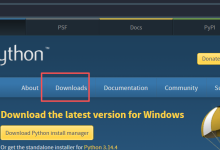
访问 Python 官网下载最新稳定版本,推荐 Python 3.8+ 。
Windows 用户注意:安装时勾选 "Add Python to PATH" 选项。
1.2 验证安装
打开终端/命令行,输入:
python –version
或
python3 –version
应显示已安装的Python版本号。
1.3 选择开发工具
推荐初学者使用:
- IDLE(Python自带)
- VS Code(轻量级且强大)
- PyCharm(专业Python IDE)
二、Python基础语法📖
2.1 第一个Python程序
创建一个 hello.py 文件,写入:
print("Hello, Python World!")
运行它:
python hello.py
2.2 变量与数据类型
# 基本数据类型
name = "Alice" # 字符串(str)
age = 25 # 整数(int)
price = 19.99 # 浮点数(float)
is_student = True # 布尔值(bool)
# 打印变量类型
print(type(name)) # <class 'str'>
print(type(age)) # <class 'int'>
2.3 基本运算
# 算术运算
print(10 + 3) # 13
print(10 – 3) # 7
print(10 * 3) # 30
print(10 / 3) # 3.333…
print(10 // 3) # 3 (整除)
print(10 % 3) # 1 (取余)
print(10 ** 3) # 1000 (幂运算)
# 比较运算
print(10 > 3) # True
print(10 == 3) # False
print(10 != 3) # True
三、Python流程控制🌈
3.1 条件语句
age = 18
if age < 12:
print("儿童")
elif age < 18:
print("青少年")
else:
print("成人")
3.2 循环结构
for循环:
# 遍历范围
for i in range(5): # 0到4
print(i)
# 遍历列表
fruits = ["apple", "banana", "cherry"]
for fruit in fruits:
print(fruit)
while循环:
count = 0
while count < 5:
print(count)
count += 1
四、Python数据结构🎋
4.1 列表(List)
# 创建列表
numbers = [1, 2, 3, 4, 5]
fruits = ["apple", "banana", "cherry"]
# 访问元素
print(fruits[0]) # "apple"
print(fruits[–1]) # "cherry" (倒数第一个)
# 常用操作
fruits.append("orange") # 添加元素
fruits.insert(1, "grape") # 插入元素
fruits.remove("banana") # 删除元素
print(len(fruits)) # 获取长度
4.2 字典(Dictionary)
# 创建字典
person = {
"name": "Alice",
"age": 25,
"is_student": True
}
# 访问元素
print(person["name"]) # "Alice"
print(person.get("age")) # 25
# 常用操作
person["email"] = "alice@example.com" # 添加键值对
del person["is_student"] # 删除键值对
print("age" in person) # 检查键是否存在
4.3 元组(Tuple)和集合(Set)
# 元组(不可变)
coordinates = (10.0, 20.0)
print(coordinates[0]) # 10.0
# 集合(唯一元素)
unique_numbers = {1, 2, 3, 3, 4}
print(unique_numbers) # {1, 2, 3, 4}
五、函数与模块✨
5.1 定义函数
def greet(name, greeting="Hello"):
"""这是一个问候函数"""
return f"{greeting}, {name}!"
print(greet("Alice")) # "Hello, Alice!"
print(greet("Bob", "Hi")) # "Hi, Bob!"
5.2 使用模块
创建 calculator.py:
def add(a, b):
return a + b
def multiply(a, b):
return a * b
在另一个文件中导入:
import calculator
print(calculator.add(2, 3)) # 5
print(calculator.multiply(2, 3)) # 6
# 或者
from calculator import add
print(add(5, 7)) # 12
六、文件操作📃
# 写入文件
with open("example.txt", "w") as file:
file.write("Hello, Python!\\n")
file.write("This is a text file.\\n")
# 读取文件
with open("example.txt", "r") as file:
content = file.read()
print(content)
# 逐行读取
with open("example.txt", "r") as file:
for line in file:
print(line.strip()) # 去除换行符
七、Python面向对象编程🪧
class Dog:
# 类属性
species = "Canis familiaris"
# 初始化方法
def __init__(self, name, age):
self.name = name # 实例属性
self.age = age
# 实例方法
def description(self):
return f"{self.name} is {self.age} years old"
def speak(self, sound):
return f"{self.name} says {sound}"
# 创建实例
buddy = Dog("Buddy", 5)
print(buddy.description()) # "Buddy is 5 years old"
print(buddy.speak("Woof!")) # "Buddy says Woof!"
八、Python常用标准库🧩
Python 的强大之处在于其丰富的标准库:
- math:数学运算
- random:随机数生成
- datetime:日期时间处理
- os:操作系统交互
- json:JSON数据处理
- re:正则表达式
示例:
import math
print(math.sqrt(16)) # 4.0
import random
print(random.randint(1, 10)) # 随机1-10的整数
from datetime import datetime
now = datetime.now()
print(now.year, now.month, now.day)
九、下一步学习建议✅
- Web开发:学习 Flask 或 Django 框架
- 数据分析:掌握 Pandas、NumPy
- 人工智能:了解 TensorFlow、PyTorch
- 参与社区:加入 Python 社区,阅读优秀开源代码
结语📢
Python 以其"简单但强大"的哲学,成为了编程初学者的理想选择。通过本文,你已经掌握了 Python 的基础知识,但这只是开始。编程的真正魅力在于实践,不断尝试、犯错和学习,你将成为一名优秀的 Python开发者!