雅思练习总结(七十)
本文章是雅思练习总结(七十),总结了文章《When evolution runs backwards》,内容包括原文精翻,文章脉络总结,单词扩展学习3个部分
文章目录
-
- 雅思练习总结(七十)
- @[toc]
-
- 1 文章原文及翻译
-
- 1.1 第1段|返祖:长期被回避的说法
- 1.2 第2段|atavism一词的来历与贬义
- 1.3 第3段|多洛定律:进化不可逆
- 1.4 第4段|座头鲸带来的反例
- 1.5 第5段|沉默基因:返祖的遗传学解释
- 1.6 第6段|六百万到一千万年的时限
- 1.7 第7段|钝口螈:变态发育也是返祖
- 1.8 第8段|Bachia蜥蜴:打破时间上限
- 1.9 第9段|两种可能解释
- 1.10 第10段|胚胎发育程序与返祖
- 2 文章结构分析
-
- 2.1 段意复盘|每段承担什么任务
- 2.2 段落功能与整体推进
- 2.3 文章结构图|把段内与段间关系连起来
- 3 重难点词汇总结
-
- 3.1 精选词条|按原文首次出现顺序
1 文章原文及翻译
When evolution runs backwards
翻译:当进化倒着走
Evolution isn’t supposed to run backwards – yet an increasing number of examples show that it does and that it can sometimes represent the future of a species
翻译:进化本不该倒着走——然而越来越多的例证表明它确实会,而且有时还代表着一个物种的未来
1.1 第1段|返祖:长期被回避的说法
The description of any animal as an ‘evolutionary throwback’ is controversial. For the better part of a century, most biologists have been reluctant to use those words, mindful of a principle of evolution that says ‘evolution cannot run backwards’ . But as more and more examples come to light and modern genetics enters the scene, that principle is having to be rewritten. Not only are evolutionary throwbacks possible, they sometimes play an important role in the forward march of evolution.
翻译:把任何一种动物描述为“进化返祖”都是有争议的。近一个世纪以来,大多数生物学家都不愿使用这种说法,因为他们顾及一条进化原则:“进化不能倒退”。但是,随着越来越多例证被发现,加上现代遗传学的介入,这条原则不得不被改写。进化返祖不仅可能发生,有时还在进化的前进步伐中扮演重要角色。
1.2 第2段|atavism一词的来历与贬义
The technical term for an evolutionary throwback is an ‘atavism’ , from the Latin atavus, meaning forefather. The word has ugly connotations thanks largely to Cesare Lombroso, a 19th-century Italian medic who argued that criminals were born not made and could be identified by certain physical features that were throwbacks to a primitive, sub-human state.
翻译:进化返祖的术语是“atavism(返祖现象)”,源自拉丁语 atavus,意为祖先。这个词带有丑陋的联想,很大程度上要归因于19世纪意大利医生切萨雷·隆布罗索。他主张罪犯是天生的而非后天造就的,并认为可以通过某些体貌特征辨认出罪犯——这些特征是对原始、近乎非人状态的返祖。
1.3 第3段|多洛定律:进化不可逆
While Lombroso was measuring criminals, a Belgian palaeontologist called Louis Dollo was studying fossil records and coming to the opposite conclusion. In 1890 he proposed that evolution was irreversible: that ‘an organism is unable to return, even partially, to a previous stage already realised in the ranks of its ancestors’. Early 20th-century biologists came to a similar conclusion, though they qualified it in terms of probability, stating that there is no reason why evolution cannot run backwards- it is just very unlikely. And so the idea of irreversibility in evolution stuck and came to be known as ‘Dollo’ s law '.
翻译:隆布罗索在测量罪犯时,比利时古生物学家路易·多洛正在研究化石记录,并得出了相反结论。1890年,他提出进化是不可逆的:“一个生物体无法返回——哪怕是部分返回——其祖先序列中已经实现过的先前阶段。”20世纪初的生物学家得出了类似结论,不过他们从概率角度作了限定,指出没有理由认为进化不能倒退——只是这极不可能。于是,进化不可逆的观点固定下来,被称为“多洛定律”。
1.4 第4段|座头鲸带来的反例
If Dollo’s law is right, atavisms should occur only very rarely, if at all. Yet almost since the idea took root, exceptions have been cropping up. In 1919, for example, a humpback whale with a pair of leg-like appendages over a metre long, complete with a full set of limb bones, was caught off Vancouver Island in Canada. Explorer Roy Chapman Andrews argued at the time that the whale must be a throwback to a land-living ancestor. ‘I can see no other explanation,’ he wrote in 1921.
翻译:如果多洛定律正确,返祖现象即便会发生,也应极其罕见。然而几乎从这个观念扎根之时起,例外就不断出现。例如1919年,在加拿大温哥华岛外海捕到一头座头鲸,它长着一对一米多长的腿状附肢,还带有完整的肢骨。探险家罗伊·查普曼·安德鲁斯当时主张,这头鲸必定是向陆生祖先的返祖。“我想不出别的解释,”他在1921年写道。
1.5 第5段|沉默基因:返祖的遗传学解释
Since then, so many other examples have been discovered that it no longer makes sense to say that evolution is as good as irreversible. And this poses a puzzle: how can characteristics that disappeared millions of years ago suddenly reappear? In 1994, Rudolf Raff and colleagues at Indiana University in the USA decided to use genetics to put a number on the probability of evolution going into reverse. They reasoned that while some evolutionary changes involve the loss of genes and are therefore irreversible, others may be the result of genes being switched off. If these silent genes are somehow switched back on, they argued, long-lost traits could reappear.
翻译:此后发现的例证如此之多,再说进化几乎不可逆已经说不通了。这也带来一个难题:数百万年前消失的特征怎么会突然重新出现?1994年,美国印第安纳大学的鲁道夫·拉夫及其同事决定用遗传学为进化倒退的概率算出一个数值。他们推断,有些进化变化涉及基因丢失,因而不可逆;另一些变化则可能是基因被关闭的结果。他们认为,如果这些“沉默基因”以某种方式被重新开启,失落已久的特征就可能重新出现。
1.6 第6段|六百万到一千万年的时限
Raff’s team went on to calculate the likelihood of it happening. Silent genes accumulate random mutations, they reasoned, eventually rendering them useless. So how long can a gene survive in a species if it is no longer used? The team calculated that there is a good chance of silent genes surviving for up to 6 million years in at least a few individuals in a population, and that some might survive as long as 10 million years. In other words, throwbacks are possible, but only to the relatively recent evolutionary past.
翻译:拉夫的团队接着计算了这种情况发生的可能性。他们推断,沉默基因会积累随机突变,最终使它们变得无用。那么,一个基因如果不再被使用,能在物种中存活多久?该团队计算后认为,沉默基因有相当大的机会在种群中至少少数个体里存活最多六百万年,有些甚至可能存活长达一千万年。换句话说,返祖是可能的,但只能追溯到相对较近的进化过去。
1.7 第7段|钝口螈:变态发育也是返祖
As a possible example, the team pointed to the mole salamanders of Mexico and California. Like most amphibians these begin life in a juvenile ‘tadpole’ state, then metamorphose into the adult form – except for one species, the axolotl, which famously lives its entire life as a juvenile. The simplest explanation for this is that the axolotl lineage alone lost the ability to metamorphose, while others retained it. From a detailed analysis of the salamanders’ family tree, however, it is clear that the other lineages evolved from an ancestor that itself had lost the ability to metamorphose. In other words, metamorphosis in mole salamanders is an atavism. The salamander example fits with Raff’s 10-million-year time frame.
翻译:作为一个可能例证,该团队举出墨西哥和加利福尼亚的钝口螈。像大多数两栖动物一样,它们以幼体的“蝌蚪”状态开始生命,然后变态为成体——只有一个物种例外,即美西螈,它以终生保持幼体状态而闻名。对此最简单的解释是,只有美西螈这一支系失去了变态能力,其他支系则保留了这种能力。然而,对螈类家系树的详细分析表明,其他支系是从一个本身已失去变态能力的祖先演化而来的。换句话说,钝口螈的变态发育是一种返祖现象。这个螈类例子符合拉夫提出的一千万年时间框架。
1.8 第8段|Bachia蜥蜴:打破时间上限
More recently, however, examples have been reported that break the time limit, suggesting that silent genes may not be the whole story. In a paper published last year, biologist Gunter Wagner of Yale University reported some work on the evolutionary history of a group of South American lizards called Bachia. Many of these have minuscule limbs; some look more like snakes than lizards and a few have completely lost the toes on their hind limbs. Other species, however, sport up to four toes on their hind legs. The simplest explanation is that the toed lineages never lost their toes, but Wagner begs to differ. According to his analysis of the Bachia family tree, the toed species re-evolved toes from toeless ancestors and, what is more, digit loss and gain has occurred on more than one occasion over tens of millions of years.
翻译:然而,近来报道的例证打破了这一时间限制,说明沉默基因或许并不能解释全部。在去年发表的一篇论文中,耶鲁大学生物学家金特·瓦格纳报告了对南美一类名为 Bachia 的蜥蜴进化史的研究。其中许多种类肢体极小;有些看起来更像蛇而非蜥蜴,还有少数完全失去了后肢的脚趾。然而,另一些物种的后肢多达四趾。最简单的解释是,有趾的支系从未失去脚趾,但瓦格纳不同意。根据他对 Bachia 家系树的分析,有趾物种是从无趾祖先重新演化出脚趾的;而且,在数千万年间,趾的丢失与获得不止一次发生过。
1.9 第9段|两种可能解释
So what’s going on? One possibility is that these traits are lost and then simply reappear, in much the same way that similar structures can independently arise in unrelated species, such as the dorsal fins of sharks and killer whales. Another more intriguing possibility is that the genetic information needed to make toes somehow survived for tens or perhaps hundreds of millions of years in the lizards and was reactivated. These atavistic traits provided an advantage and spread through the population, effectively reversing evolution.
翻译:那么,究竟发生了什么?一种可能是:这些特征先丢失,然后又简单地重新出现,很像相似结构可以在并无亲缘关系的物种中独立产生,例如鲨鱼和虎鲸的背鳍。另一种更引人注目的可能是:制造脚趾所需的遗传信息以某种方式在蜥蜴体内存活了数千万年、甚至数亿年,并被重新激活。这些返祖特征带来优势,并在种群中扩散,实际上逆转了进化。
1.10 第10段|胚胎发育程序与返祖
But if silent genes degrade within 6 to 10 million years, how can long-lost traits be reactivated over longer timescales? The answer may lie in the womb. Early embryos of many species develop ancestral features. Snake embryos, for example, sprout hind limb buds. Later in development these features disappear thanks to developmental programs that say ‘lose the leg’. If for any reason this does not happen, the ancestral feature may not disappear, leading to an atavism.
翻译:但是,如果沉默基因在六百万至一千万年内就会退化,失落已久的特征又如何能在更长的时间尺度上被重新激活?答案可能就在子宫里。许多物种的早期胚胎会发育出祖先特征。例如,蛇的胚胎会长出后肢芽。在发育后期,由于“去掉腿”的发育程序,这些特征会消失。如果由于某种原因这一过程没有发生,祖先特征就可能不会消失,从而导致返祖现象。
2 文章结构分析
2.1 段意复盘|每段承担什么任务
这篇文章的内容总结如下:
2.2 段落功能与整体推进
| 第1段 | 提出被挑战的旧原则 | 生物学家长期回避;新例证与现代遗传学 | 由原则松动转向术语来源 |
| 第2段 | 界定术语并揭示偏见 | atavism源自atavus;隆布罗索的罪犯体貌说 | 由词义史转向科学命题 |
| 第3段 | 交代多洛定律的形成 | 1890年不可逆主张;20世纪初的概率限定 | 用具体标本检验定律 |
| 第4段 | 提供首个反例 | 1919年座头鲸腿状附肢与肢骨;安德鲁斯判断 | 由个别反例转向大量例证 |
| 第5段 | 提出核心问题与遗传学思路 | 反例积累;基因丢失与被关闭之分;沉默基因 | 把思路转为可计算的概率 |
| 第6段 | 给出时间上限 | 随机突变使基因失效;约600万至1000万年 | 用螈类检验时限 |
| 第7段 | 以螈类支持时限 | 美西螈终生幼体;家系分析显示祖先已失去变态能力 | 引出打破时限的新例证 |
| 第8段 | 以蜥蜴挑战时限 | Bachia肢体与趾的多样;家系分析主张趾的重新演化 | 解释现象需并列多种可能 |
| 第9段 | 并列两种解释 | 独立重新出现;遗传信息长期存活并被重新激活 | 由遗传解释转向发育机制 |
| 第10段 | 补充发育层面的解释 | 早期胚胎保留祖先特征;蛇胚后肢芽;发育程序未执行 | 结束于机制假设,未作最终裁定 |
文章整体结构如下
文章以一条被长期视为常识的原则开篇:进化不能倒退。第1段并不急于否定它,而是先说明生物学家为何回避“返祖”一词;第2段随即交代术语史,指出atavism的贬义来自隆布罗索把罪犯体貌当作原始状态返祖的偏见。第3段才完整呈现旧原则——多洛定律及其概率化限定。这样的顺序使读者先看到术语与社会偏见,再看到科学命题本身,避免把“返祖”当成贬义词直接接受。
第4—8段构成证据的递进:先是1919年座头鲸的腿状附肢这一具体标本;随后是反例大量积累带来的理论危机;拉夫团队用“基因丢失”与“基因被关闭”区分可逆与不可逆,并估算沉默基因可存活约六百万至一千万年;钝口螈的变态发育在这个时限内被解释为返祖;而Bachia蜥蜴的趾的丢失与获得发生在数千万年间,超出时限,说明沉默基因并非全部解释。证据由单件标本 → 统计与机制 → 符合时限的案例 → 突破时限的案例逐步加强,同时不断暴露旧解释的边界。
第9—10段转向解释层面:特征可能独立重新出现,也可能依赖长期存活并被重新激活的遗传信息;若后者受时限约束,则更长时间尺度的返祖或可用胚胎发育解释——祖先特征本会出现,只是“去掉腿”的程序未执行。文章止于机制假设的并列,并未宣布哪一种已被证实。阅读时需区分已观察的标本与化石、基于家系树的推断、以及尚待检验的机制假设;文中的年份与数值均为原文陈述,不应直接当作当前研究结论。
2.3 文章结构图|把段内与段间关系连起来
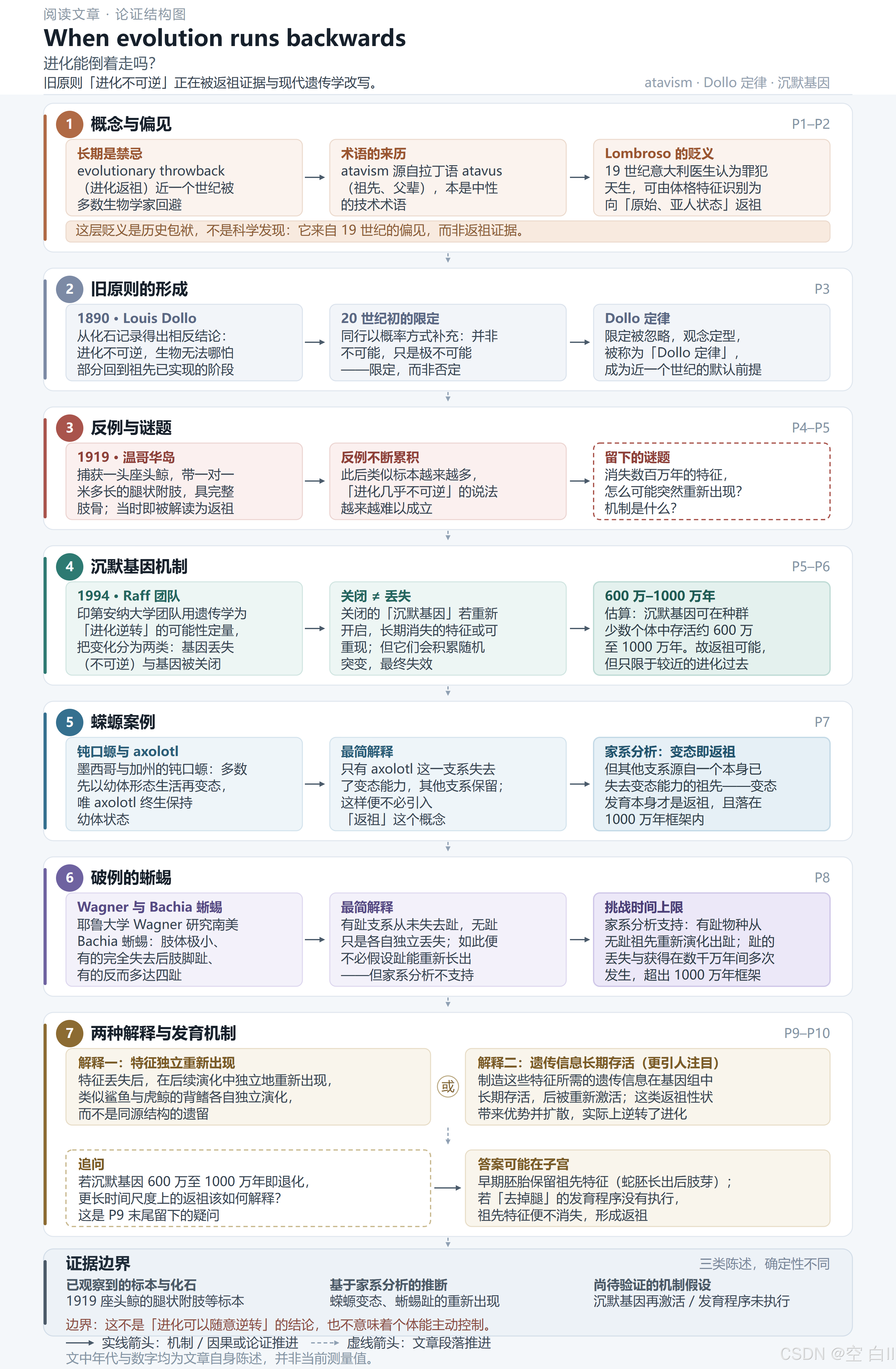
文章结构图
3 重难点词汇总结
3.1 精选词条|按原文首次出现顺序
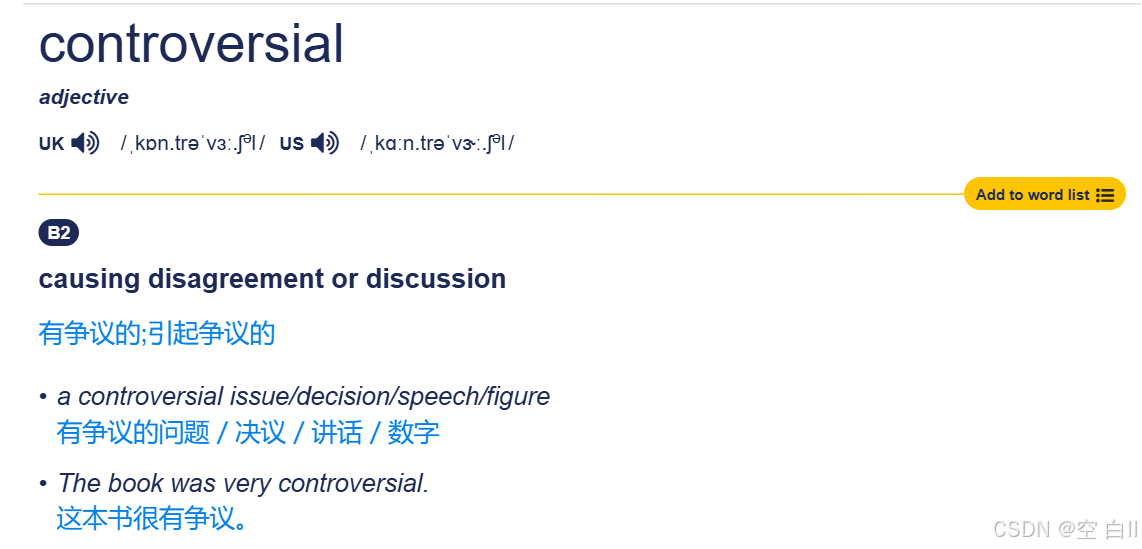
controversial 含义
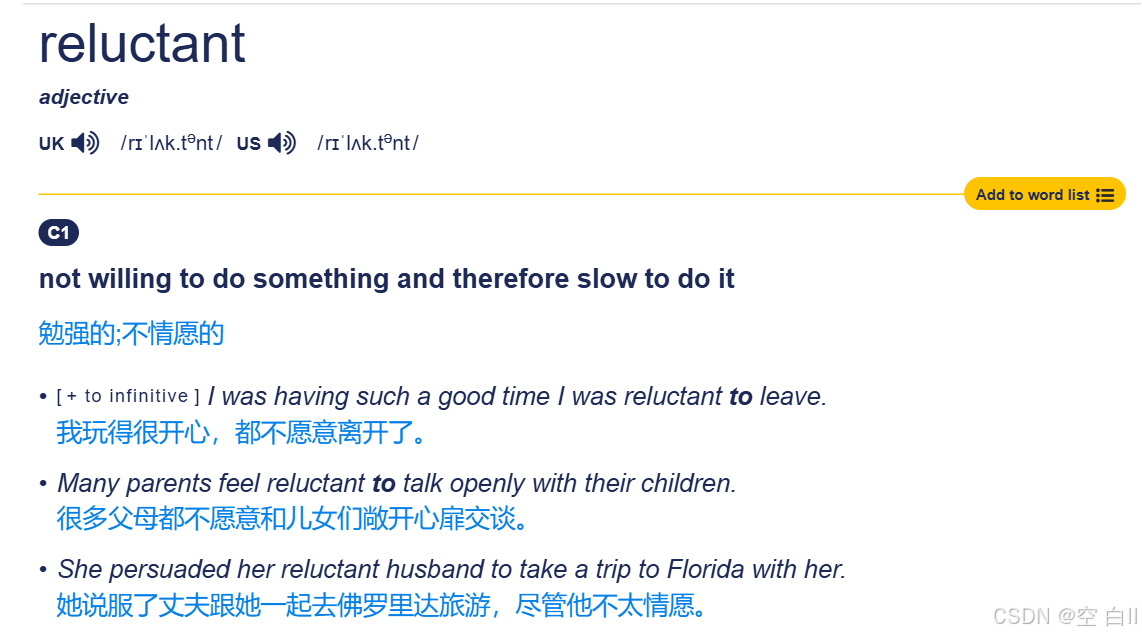
reluctant 含义

mindful 含义
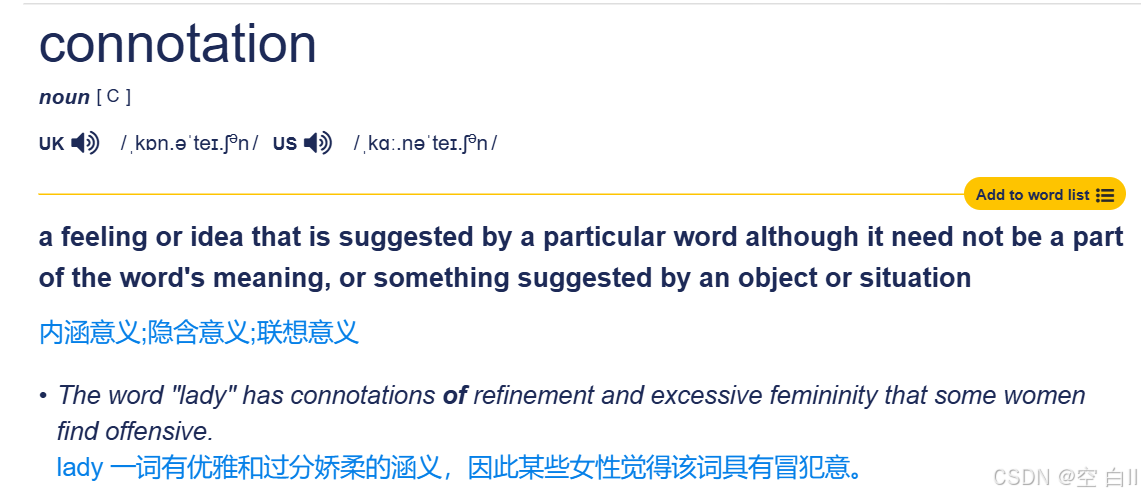
connotation 含义
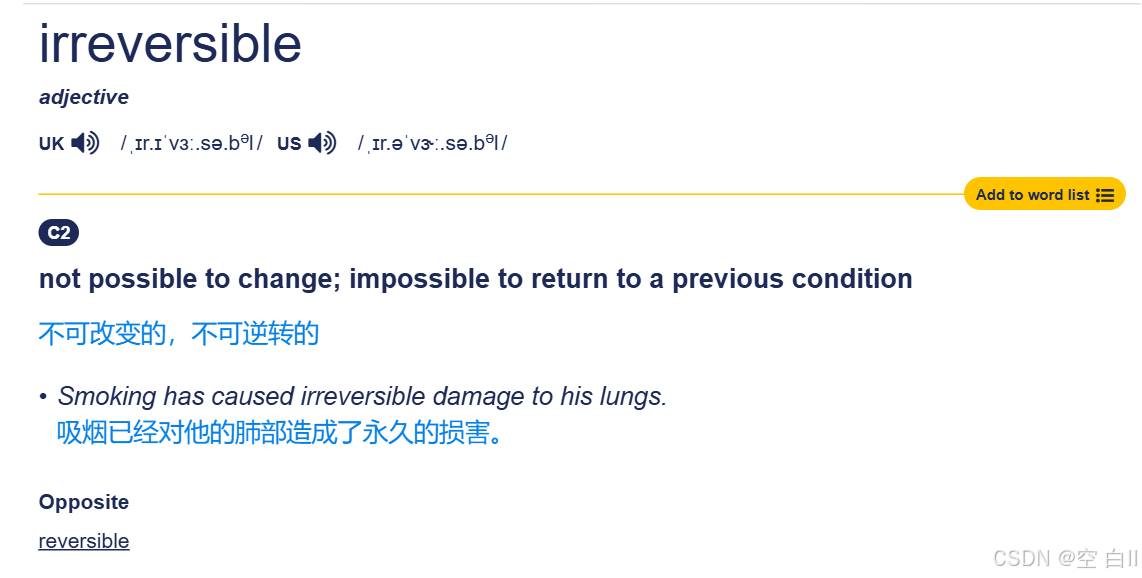
irreversible 含义

qualify 含义
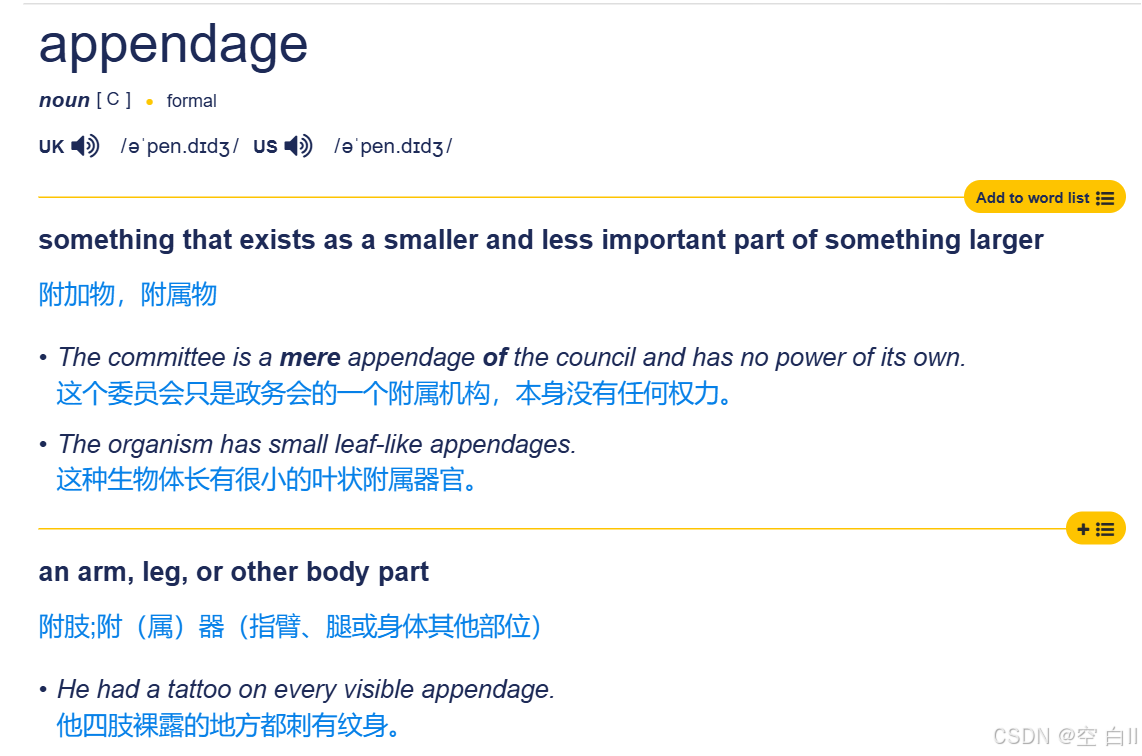
appendage 含义

puzzle 含义
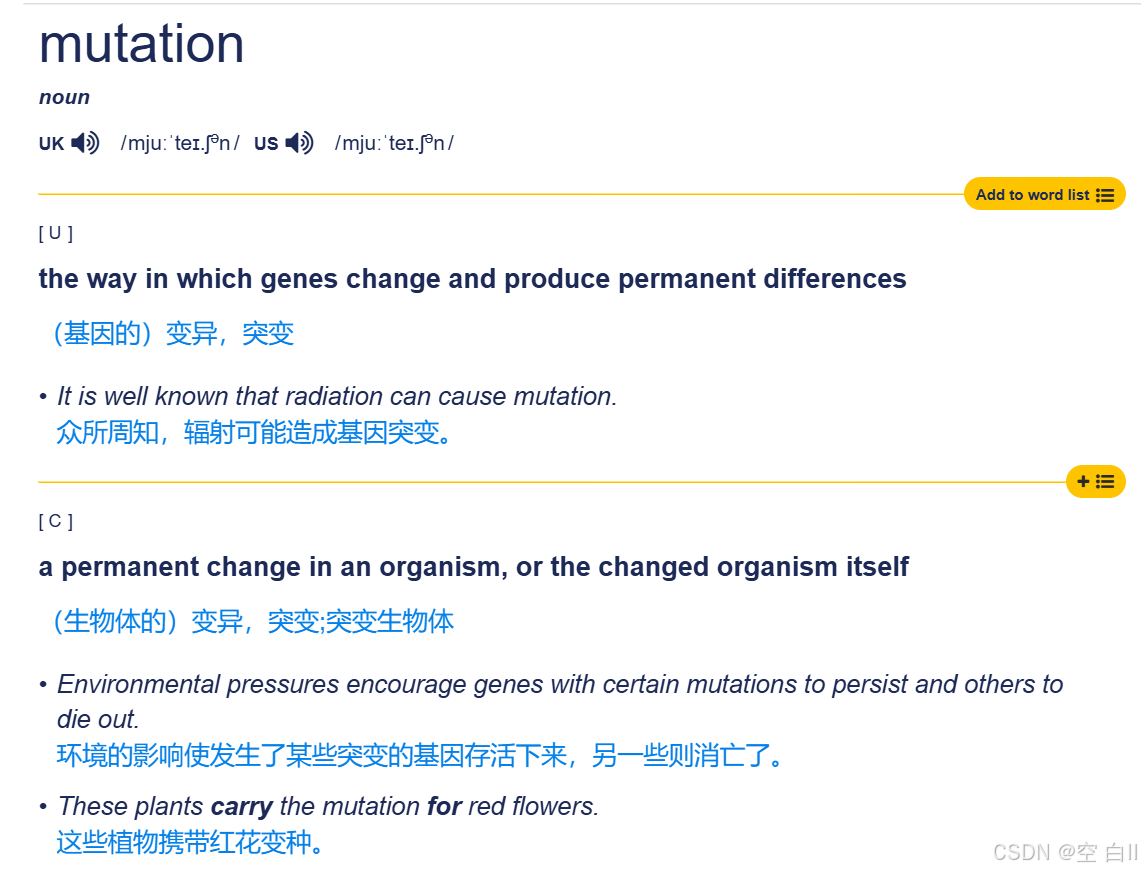
mutation 含义

render 含义
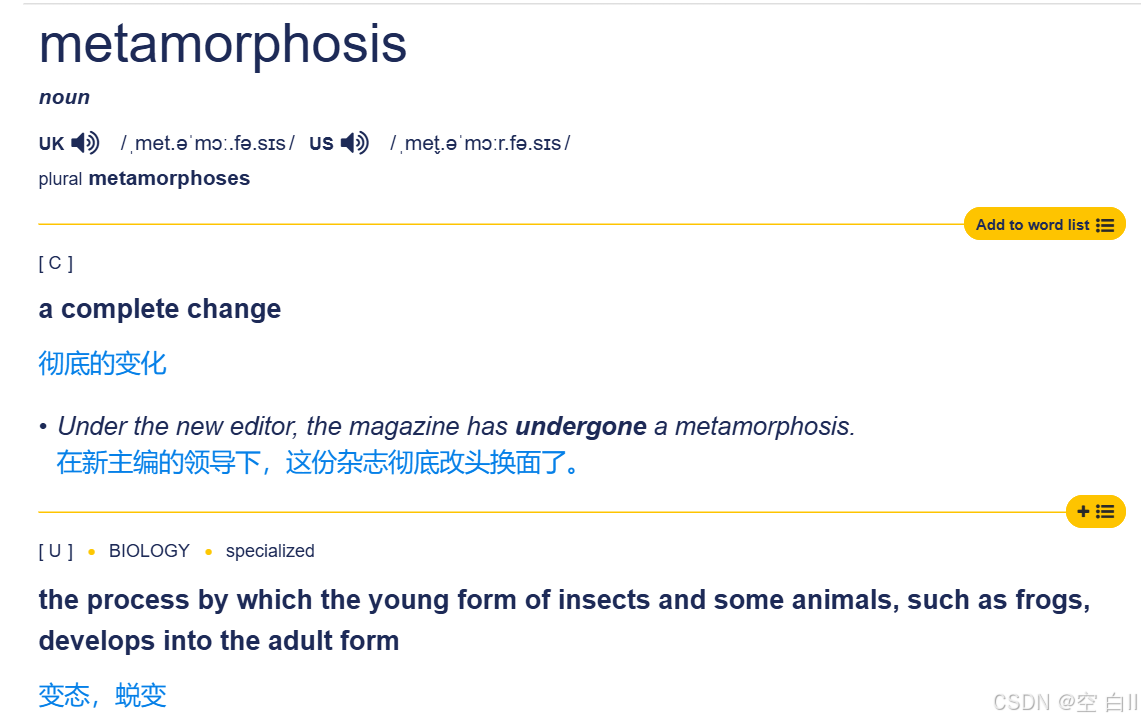
metamorphosis 含义
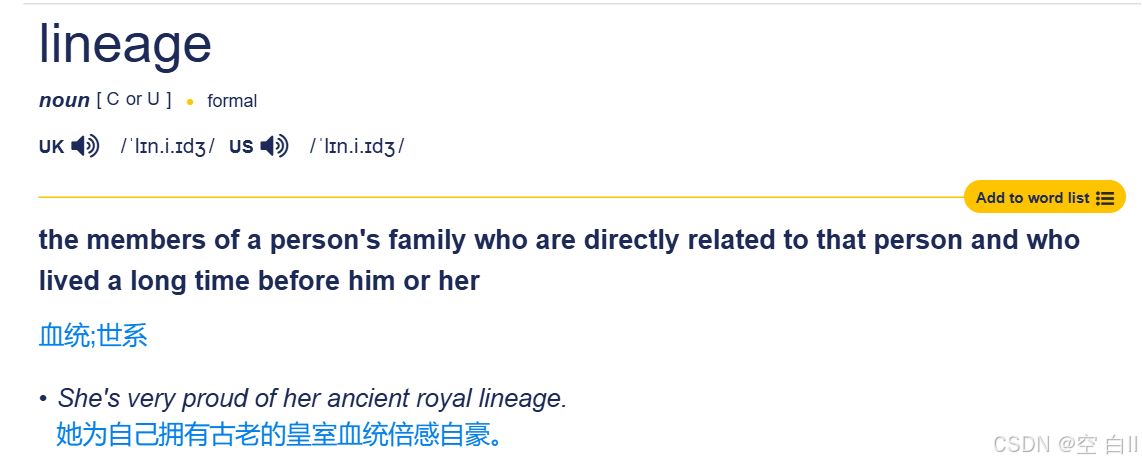
lineage 含义
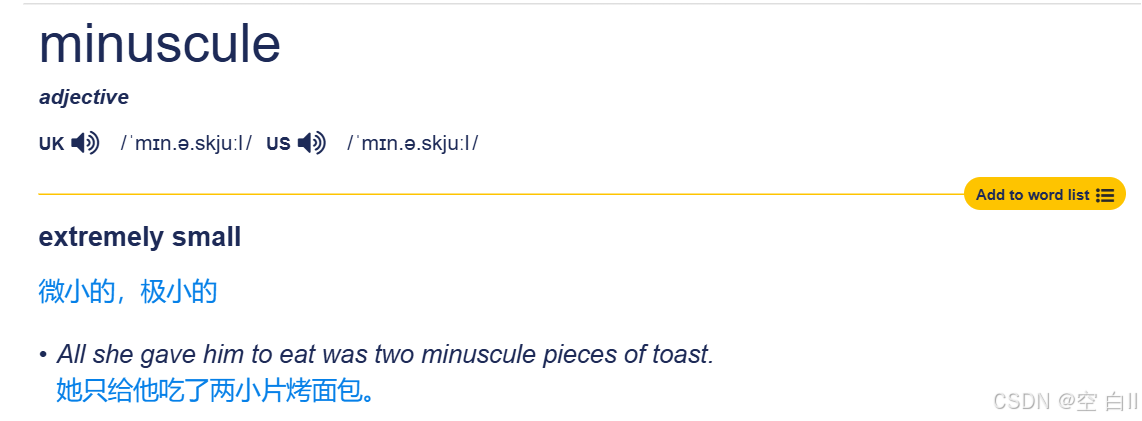
minuscule 含义
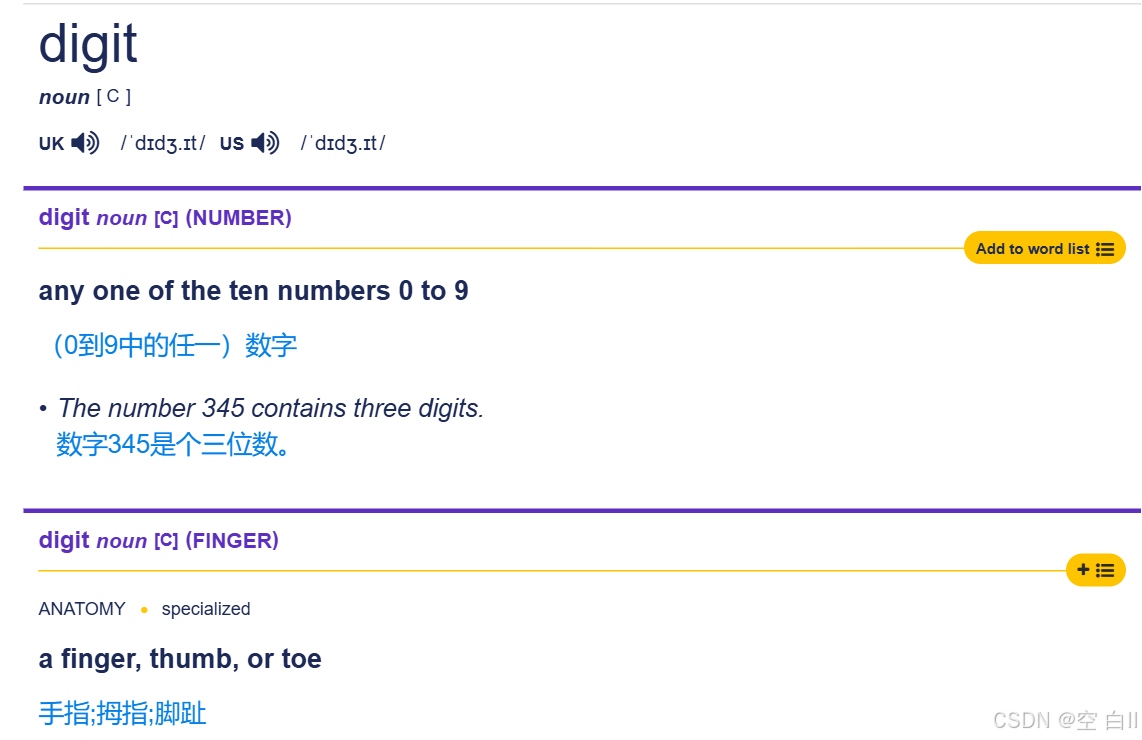
digit 含义
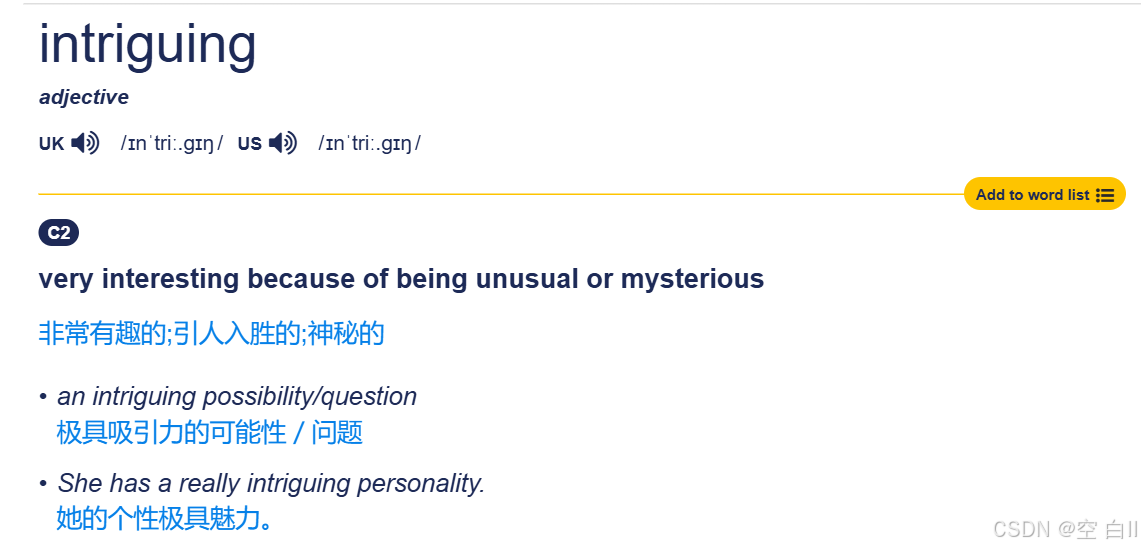
intriguing 含义
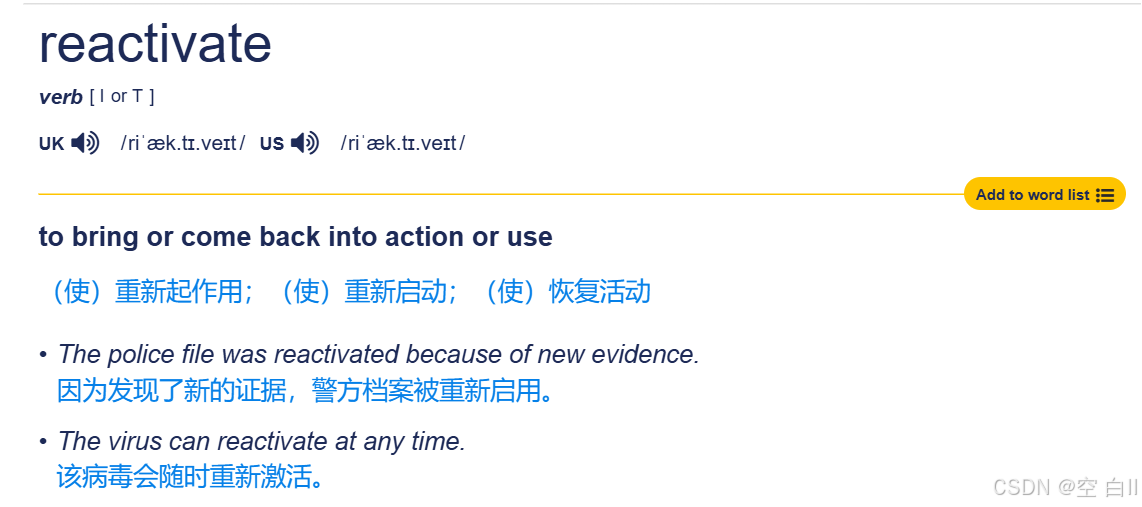
reactivate 含义

degrade 含义
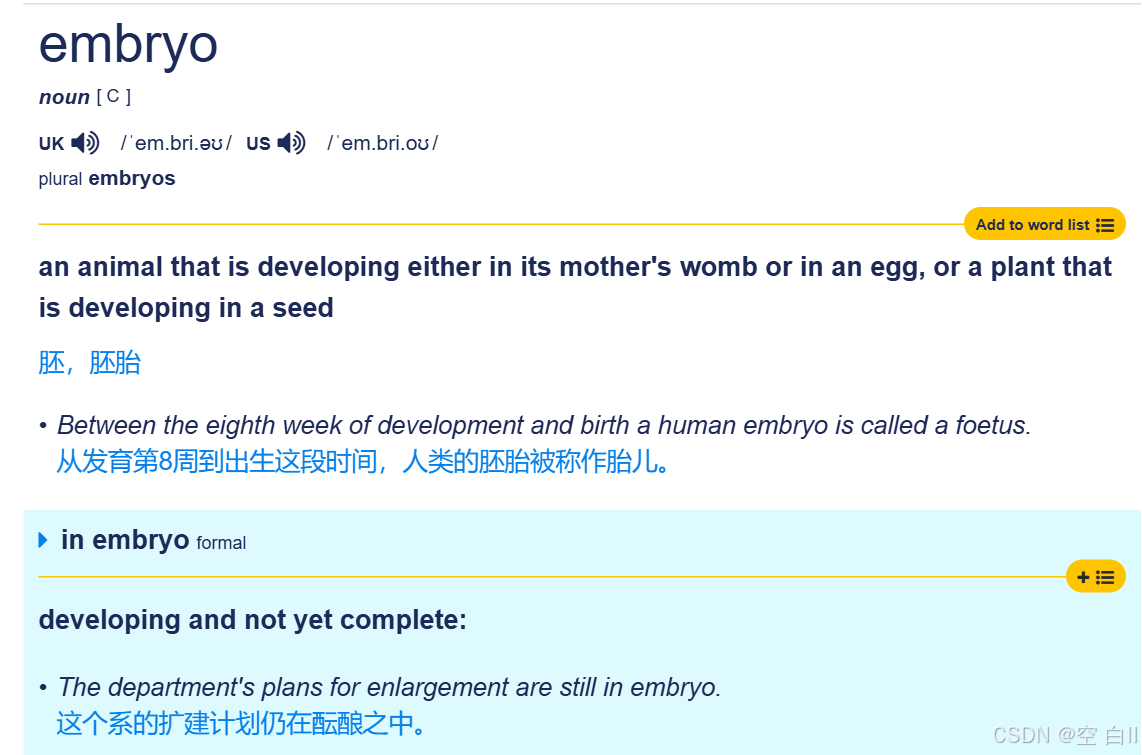
embryo 含义
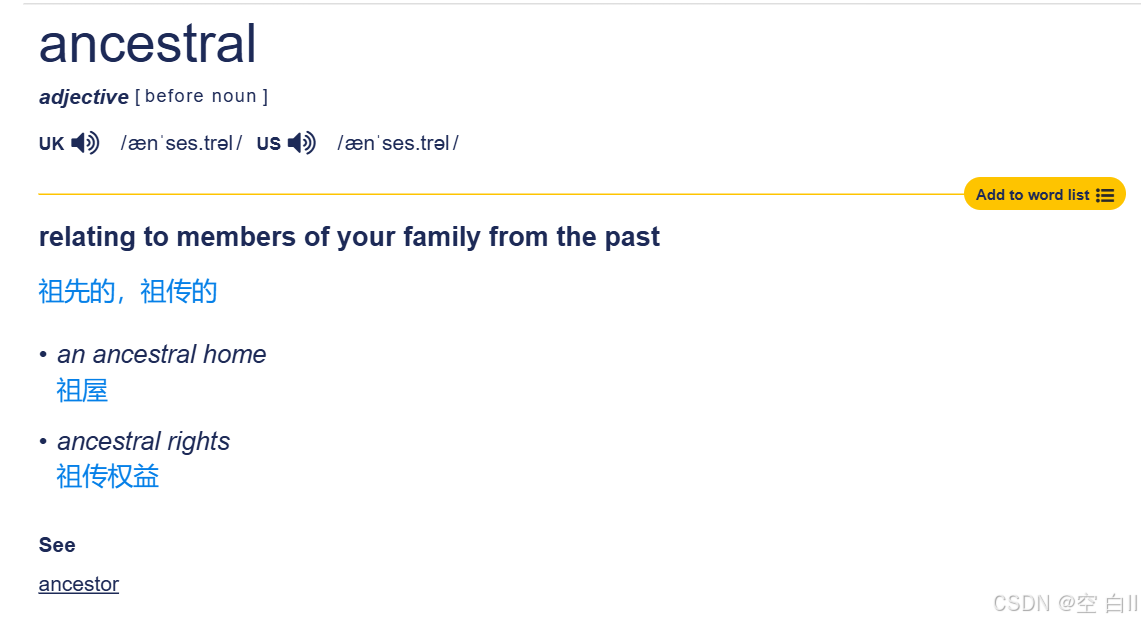
ancestral 含义

sprout 含义
